Understanding Electromobility Developments
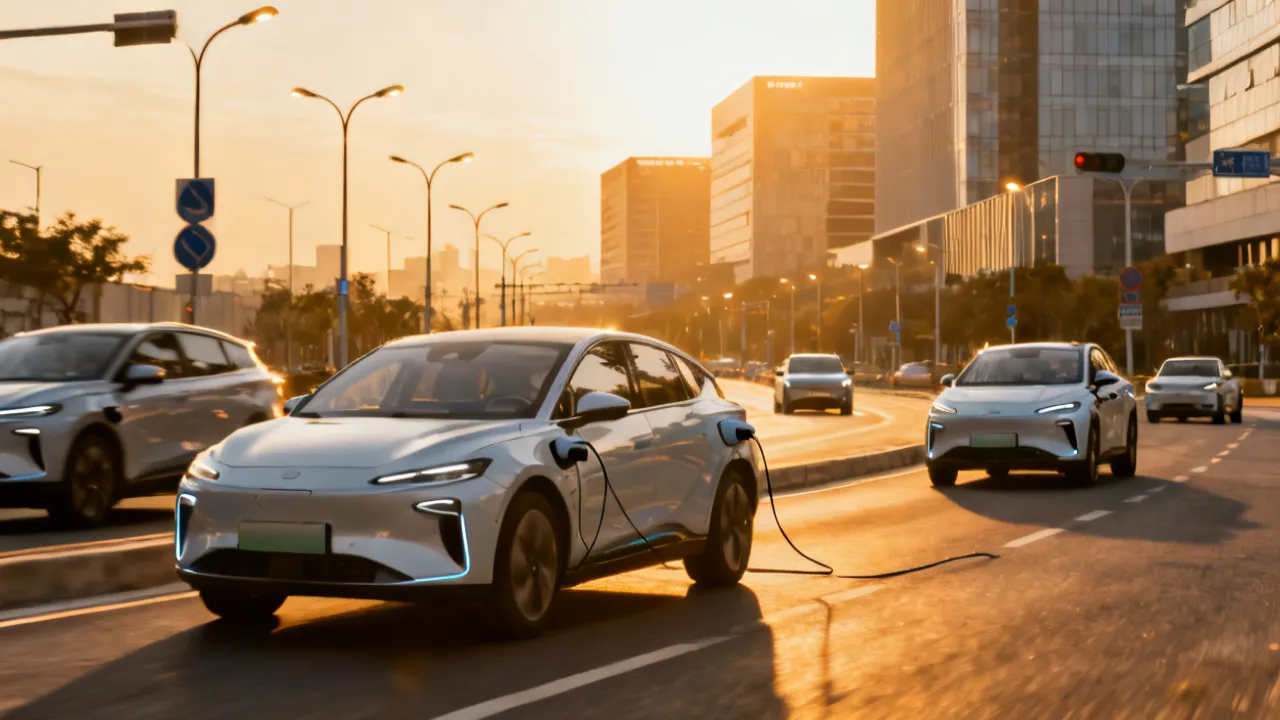
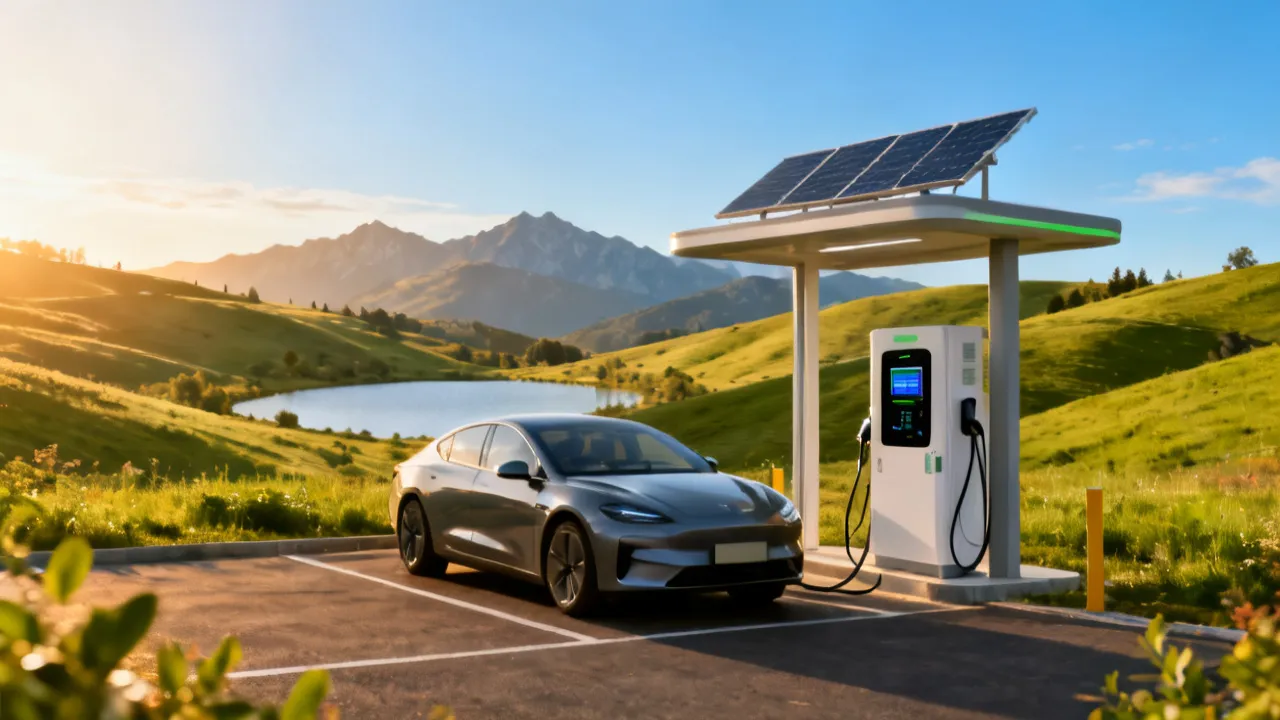
Electromobility refers to the use of electric powertrains for transportation, encompassing electric cars, bicycles, buses, and other vehicles. It signifies a paradigm shift towards sustainable transportation by reducing dependence on fossil fuels and offering cleaner alternatives. The concept of electromobility has been gaining traction globally, driven by technological advancements and environmental exigencies. Wikipedia offers a comprehensive overview of electromobility, detailing its history, current trends, and future potential.
Exploring Electromobility
Electromobility is an accelerating movement towards the use of electric power for vehicular propulsion. It represents a decisive shift from traditional combustion engines to cleaner, more sustainable electric drivetrains. The concept has gained notable attention in recent years due to its potential to reduce environmental impact and dependency on fossil fuels. A comprehensive understanding of electromobility can be gained through various resources, including Electromobility Wikipedia, which provides detailed insights into its evolution, challenges, and future trends.
Historical Context and Evolution
The journey of electromobility is deeply rooted in innovation. The initial wave of electric vehicles (EVs) dates back to the 19th century, marking a remarkable chapter in the history of transportation. Electric vehicles were once heralded as the future of personal transport; however, as internal combustion engines surged in popularity in the early 20th century, electric vehicles faded into obscurity until a resurgence in interest gained momentum in the late 20th and early 21st centuries. This revival is largely credited to advancements in battery technology, changing environmental policies, and a societal shift towards sustainable practices that prioritize ecological conservation and the mitigation of climate change.
Electromobility Wikipedia chronicles this historical evolution, detailing various phases from primitive electric buggies to the sleek, energy-efficient electric cars of today. It showcases how manufacturers have consistently innovated to improve battery life, reduce costs, and enhance the user experience. An essential part of this historical narrative is the impact of the oil crises of the 1970s, which reignited interest in alternative fuel sources, including electricity. Moreover, during the late 1990s, several manufacturers began to explore production models again, highlighting a growing demand for cleaner alternatives.
Technological Advancements
The electromobility sector hinges on several technological fortes, including battery technologies, electric motor efficiency, vehicle connectivity, and the development of charging infrastructure. Here are the key technological components:
- Battery Technology: Lithium-ion batteries have dominated the landscape due to their efficiency, energy density, and life span. These batteries have undergone significant improvements over the years, leading to longer ranges and shorter charging times for EVs. Parallel research is ongoing in solid-state batteries, which promise higher energy densities and improved safety through the use of solid electrolytes, potentially revolutionizing the market with greater efficiency and longevity.
- Electric Motors: Innovations in electric motor designs, such as Permanent Magnet Synchronous Motors (PMSM), are transforming vehicle performance by increasing efficiency and durability. These electric motors are critical for achieving the performance metrics that consumers expect from modern vehicles, including quick acceleration and quiet operation. Furthermore, advancements in motor control technologies enhance the drive experience, offering smoother transitions and overall handling.
- Connectivity and Automation: The integration of connected car technologies enhances the electromobility experience by offering features such as remote vehicle management, over-the-air updates, and advanced driver-assistance systems (ADAS). With the increasing connectivity of vehicles, drivers can access information about charging stations, travel patterns, and battery health in real-time. This connectivity also fosters greater safety on the roads, providing autonomous features such as lane-keeping assistance and automated emergency braking, which are crucial as we approach fully autonomous driving.
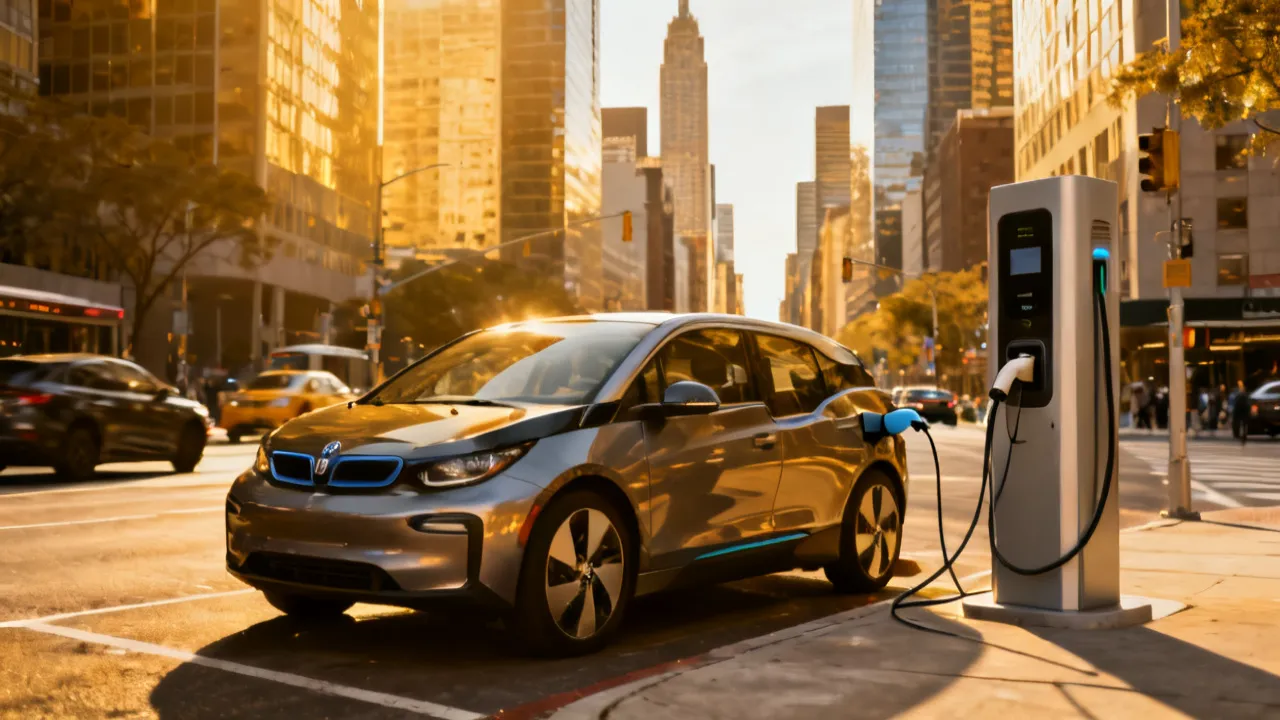
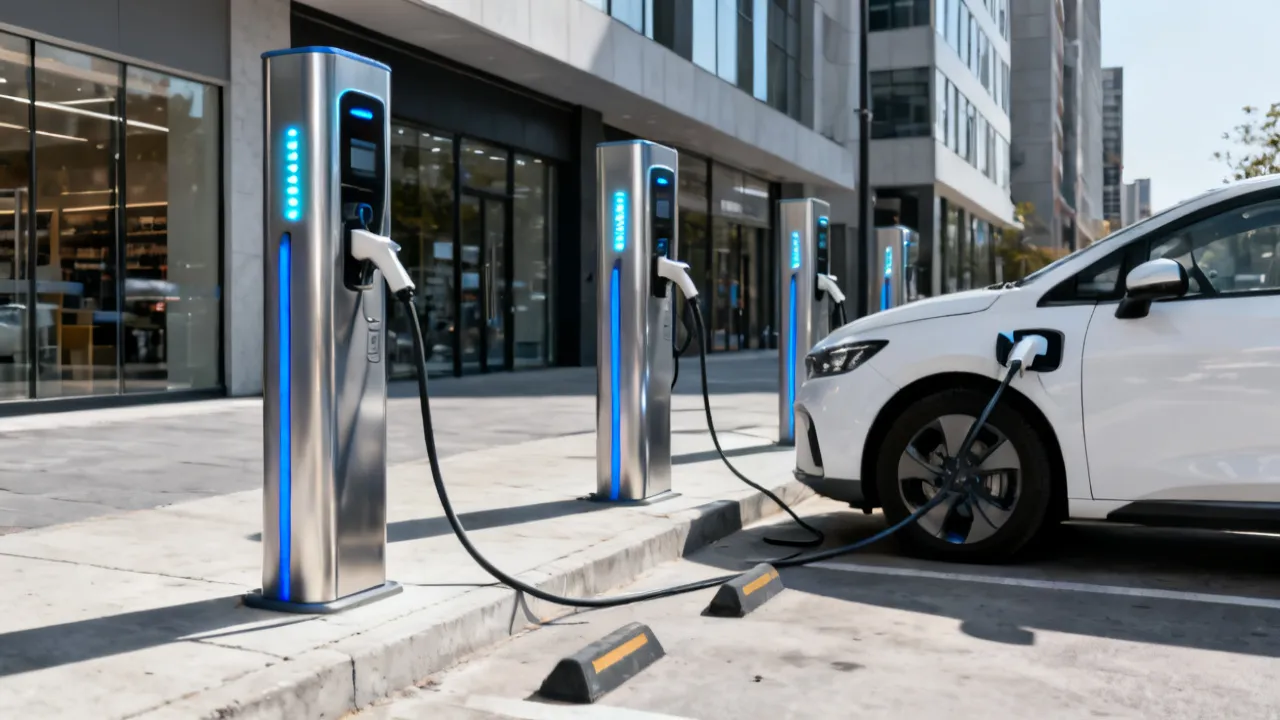
- Charging Solutions: To complement the growth of EVs, charging solutions are evolving alongside vehicle technology. Innovations include ultra-fast charging stations that can replenish battery power in a matter of minutes, as well as wireless charging technologies that eliminate the need for physical connectors. The development of smart charging, where vehicles communicate with the grid, helps manage supply and demand efficiently, promoting the use of renewable energy sources.
Global Trends in Electromobility
Electromobility is a global phenomenon, with countries worldwide setting ambitious targets and incentives to boost the adoption of electric vehicles. Key trends highlighted in Electromobility Wikipedia include:
- Government Policies: Many nations are offering subsidies, tax incentives, and grants to increase EV adoption among consumers. Some countries, like Norway, have made significant strides in this area, with ambitious goals to phase out internal combustion engine vehicles within the next few decades. These policies are essential for lowering the barriers to entry for potential EV buyers and ensuring the market growth of electric transportation.
- Infrastructure Development: The expansion of charging networks is critical to support the growing number of electric vehicles. Urban areas are witnessing the rapid deployment of public charging stations, while initiatives are in place to enhance charging in rural locations. Moreover, many businesses are installing charging solutions at their facilities to support employee use of electric vehicles. Collaborations between public and private sectors are also vital, as they drive investments in infrastructure that can accommodate the wide scale of future projections.
- Market Growth: The electric vehicle market is experiencing exponential growth, driven by consumer demand and regulatory pressures. The production of electric vehicles is expanding rapidly, with established automotive companies and startups alike entering the space. The increased competition is driving innovation and leading to a wider array of models available to consumers, catering to different needs such as performance, economy, and luxury. Additionally, market analysts predict that by 2030, electric vehicles could represent a significant percentage of total auto sales worldwide.
- Environmental Awareness: As awareness of climate change and pollution intensifies, consumers are increasingly interested in sustainable choices. This growing environmental consciousness is pushing automakers to prioritize electrification in their production lines. Organizations advocating for greener practices are also promoting EV ownership as an effective way for individuals to reduce their carbon footprint.
Challenges Faced by Electromobility
Despite its promising outlook, electromobility faces several challenges that must be addressed to facilitate widespread adoption. These include:
Range Anxiety: Concerns about the limited range of electric vehicles are prevalent among potential consumers. Range anxiety stems from fears that a vehicle's charge will run out before reaching a destination. Solutions being explored include the development of more extensive charging networks and enhancements in battery technologies that promise longer ranges. Addressing this issue is crucial for converting potential buyers who may be hesitant due to these legitimate concerns.
High Initial Cost: The initial cost of purchasing an electric vehicle remains comparatively high, although it is often mitigated by lower operating costs over time. Manufacturers are actively working to reduce these upfront costs through economies of scale, advances in technology, and governmental incentives aimed at EV buyers. Additionally, the emergence of more affordable models is helping to broaden access to electromobility.
Infrastructure Lag: The development of robust charging infrastructure is crucial to supporting electric vehicles. Many regions still face inadequacies in available charging points, hindering broader adoption. Areas with limited access to reliable charging solutions may find consumers hesitant to transition to electric vehicles due to concerns about convenience. Expanding charging infrastructure, particularly in underserved areas, is critical to ensuring the momentum of electromobility continues to grow.
Public Perception and Misconceptions: There exist misconceptions surrounding electric vehicles, often rooted in outdated information regarding their performance and practicality. Efforts to educate consumers about the benefits of EVs, such as lower operating costs, reduced emissions, and increased efficiencies, are essential. Marketing strategies and community outreach programs play a significant role in shaping standardized public perception and mitigating apprehensions surrounding electromobility.
Comparison of Popular Battery Technologies
| Battery Type | Advantages | Disadvantages |
|---|---|---|
| Lithium-ion (Li-ion) | High energy density, long cycle life, well-established infrastructure | Costly, risk of overheating, environmental concerns in extraction |
| Lead-acid | Low cost, safe and reliable, recyclable | Low energy density, shorter life cycles, heavier weight |
| Solid-state | Higher energy density, improved safety, potential for lower costs in the long run | Currently expensive, in development, limited production capabilities |
| Nickel-metal hydride (NiMH) | Good thermal stability, relatively safe for consumers | Lower energy density than lithium-ion, self-discharge issues |
The Future of Electromobility
The future of electromobility holds immense potential. With ongoing research and development, the transition to an electric future appears increasingly inevitable. Enhanced battery technologies, the advent of autonomous electric vehicles, and the integration of renewable energy sources into the electric grid are expected to propel the industry forward. As manufacturers and research institutions work collaboratively, breakthroughs in battery recycling and manufacturing processes will be critical for not only sustainability but for energy independence as well.
Furthermore, governments worldwide are situating policies that emphasize green energy production, which will further energize the push for electric mobility. The shift towards zero-emission vehicles will be supported by greater cooperation between industries spanning automotive and energy sectors, leading to innovations that render electromobility a practical option for all.
The adoption of shared mobility solutions is also influencing the EV landscape. With rideshare services moving towards electrification, urban areas will likely see a shift in transportation dynamics, encouraging the integration of electric fleets. New business models will emerge, altering consumer perceptions, and providing unique opportunities for those investing in electromobility technology.
Continued investment in research and development will also lead to new kinds of electric transport beyond passenger vehicles, including electric buses and freight. This forward-thinking will allow cities and countries to facilitate the move towards sustainable urban development, thereby promoting not only cleaner air quality but also enhancing the quality of life for residents.
FAQs
What is Electromobility?
Electromobility refers to the use of electric powertrains for vehicles, including cars, buses, bikes, and other modes of transportation, moving away from fossil-fuel-based engines. It encompasses various technologies that enable the transition to electric vehicles and involves infrastructure supportive of electric transportation.
Why is Electromobility Gaining Popularity?
It offers an eco-friendly alternative to traditional vehicles by reducing emissions, relies on sustainable energy sources, and is supported by advancing technologies and policies. The increasing awareness about climate change and air pollution is also propelling public interest in this field.
What are the Key Components of Electromobility?
The key components include electric vehicles, charging infrastructure, battery technologies, and the interplay with renewable energy sources and smart grid technologies. Each of these components plays a critical role in the overall viability and success of electromobility.
The theme of electromobility is an important topic exploring the intersection between technology and sustainability. The push for cleaner transportation alternatives is not only contributing to environmental goals but is also shaping the future landscapes of our cities and economies. Understanding the intricacies of this shift is essential for both consumers and policymakers as they navigate the evolving transportation paradigm.