Understanding the Rise of Electromobility
This article examines the expanding field of electromobility, a modern transportation mode using electric power. Originating from ongoing efforts to address environmental issues and reduce carbon emissions, electromagnetic transportation leverages electric engines for efficiency. Learn about this environmentally friendly innovation's impact and future potential.
Introduction to Electromobility
As the global community becomes increasingly aware of environmental issues, electromobility emerges as a promising solution, harnessing electric power for transportation. This comprehensive transition has encouraged governments, corporations, and individuals to invest in electric vehicles (EVs), including cars, bicycles, buses, and trains. The rise of electromobility is not just a trend but a necessary evolution to reduce carbon emissions and reliance on fossil fuels. As countries pledge to cut emissions significantly, the transition to electromobility is more critical than ever, shaping the future of urban mobility.
Historical Context and Evolution
Electromobility is not a newfound concept. The journey began in the 19th century with the advent of electric locomotives and trolleybuses. However, the reliance on internal combustion engines in the mid-20th century delayed development for decades. The late 20th and early 21st centuries saw a resurgence due to increased environmental consciousness and technological advancements. The history of electromobility also reflects the societal shifts regarding energy consumption and environmental impact. During the 1800s, electric vehicles competed with steam-powered vehicles, but the discovery and mass production of gasoline engines soon overshadowed them.
The 20th century marked a major turning point as the environmental movement gained momentum. The oil crises of the 1970s sparked renewed interest in alternatives to fossil fuels. However, it wasn't until the early 2000s that significant technological advancements allowed for the practical use of electric vehicles. Key improvements in battery technology, the rise of renewable energy sources, and the growing concern over air quality propelled electromobility into the forefront of transportation solutions.
Current State and Market Trends
The electromobility market is booming, driven by substantial investments and technological improvements. Countries worldwide are implementing policies favoring electric vehicles to decrease greenhouse gases; for example, countries like Norway are leading the way, with nearly 54% of new car sales being EVs as of 2021. EV sales saw significant leaps forward, driven by both legislative support and technological advancements such as extended battery life, rapid charging, and affordable costs. Major car manufacturers are investing heavily in electromobility, with brands like Tesla setting benchmarks for performance and affordability while traditional automotive giants are pivoting to integrate electric models into their lineups.
| Element | Description |
|---|---|
| Electric Cars | Widely available and increasingly popular. Models range from affordable to luxury, addressing various market needs. |
| Electric Bikes | Provide eco-friendly transport for short distances in urban settings, contributing to reduced traffic congestion. |
| Electric Buses | Becoming integral in public transportation systems worldwide, offering a cleaner alternative to diesel buses. |
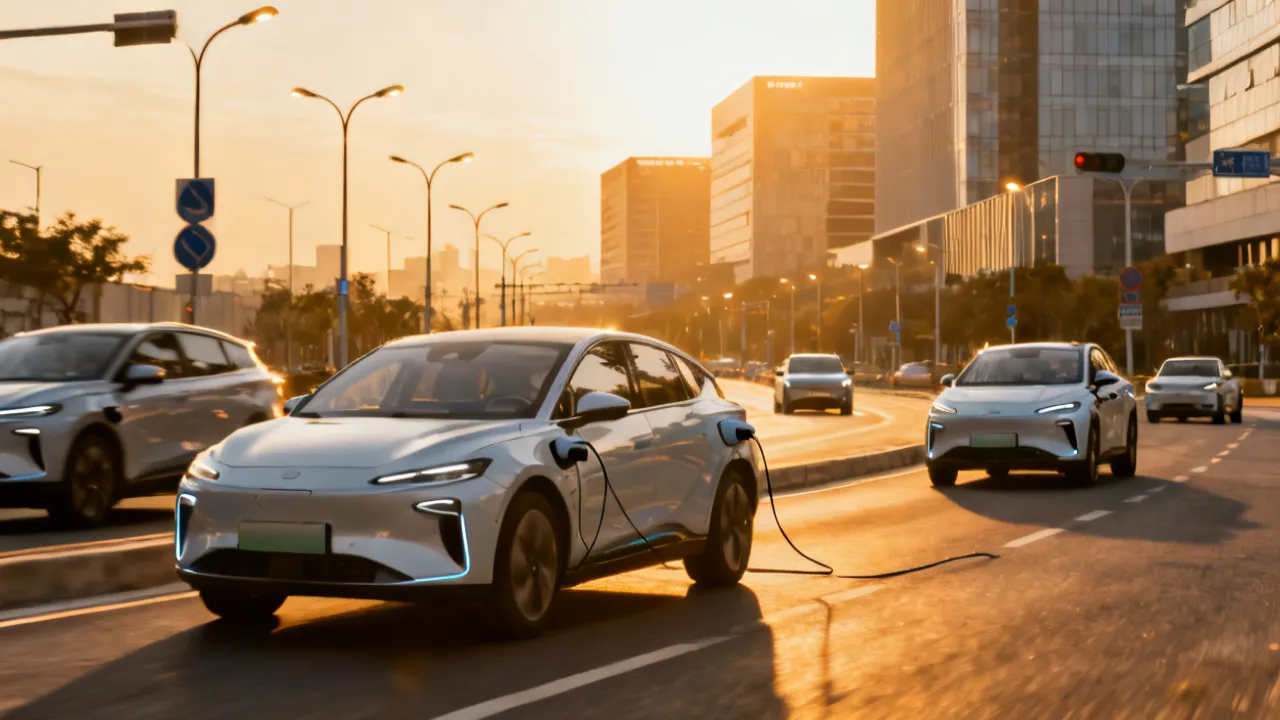
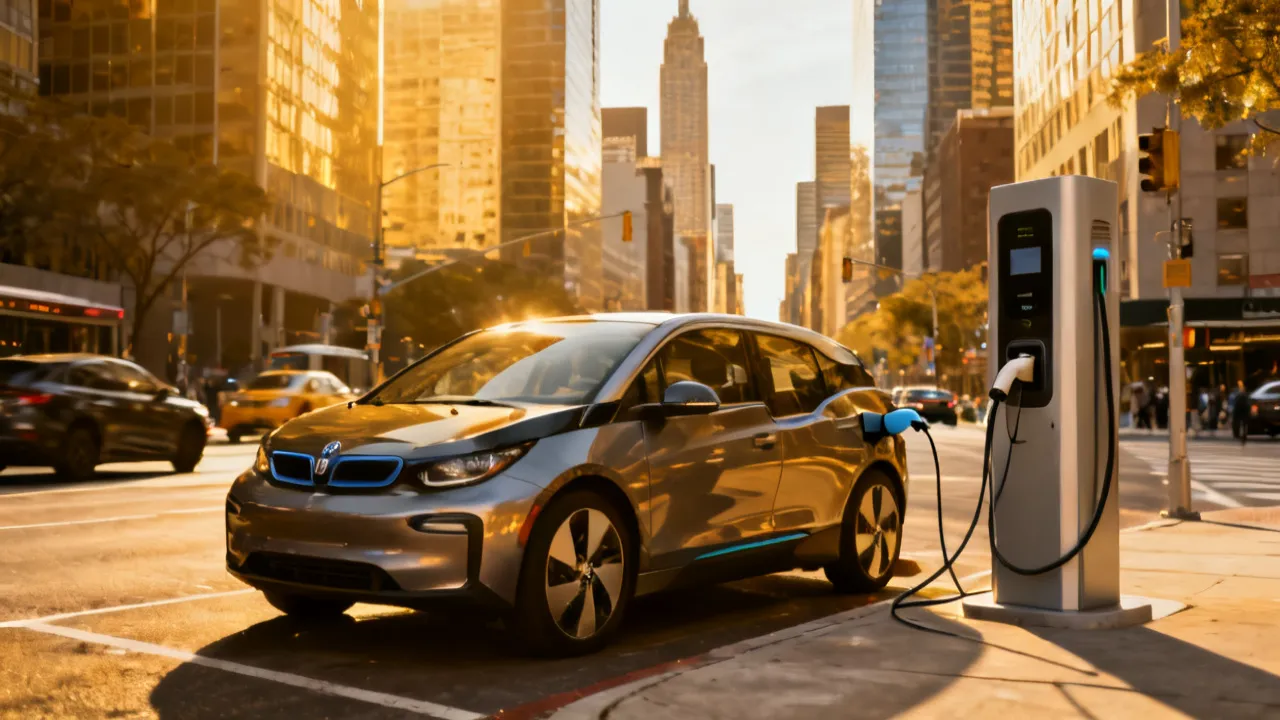
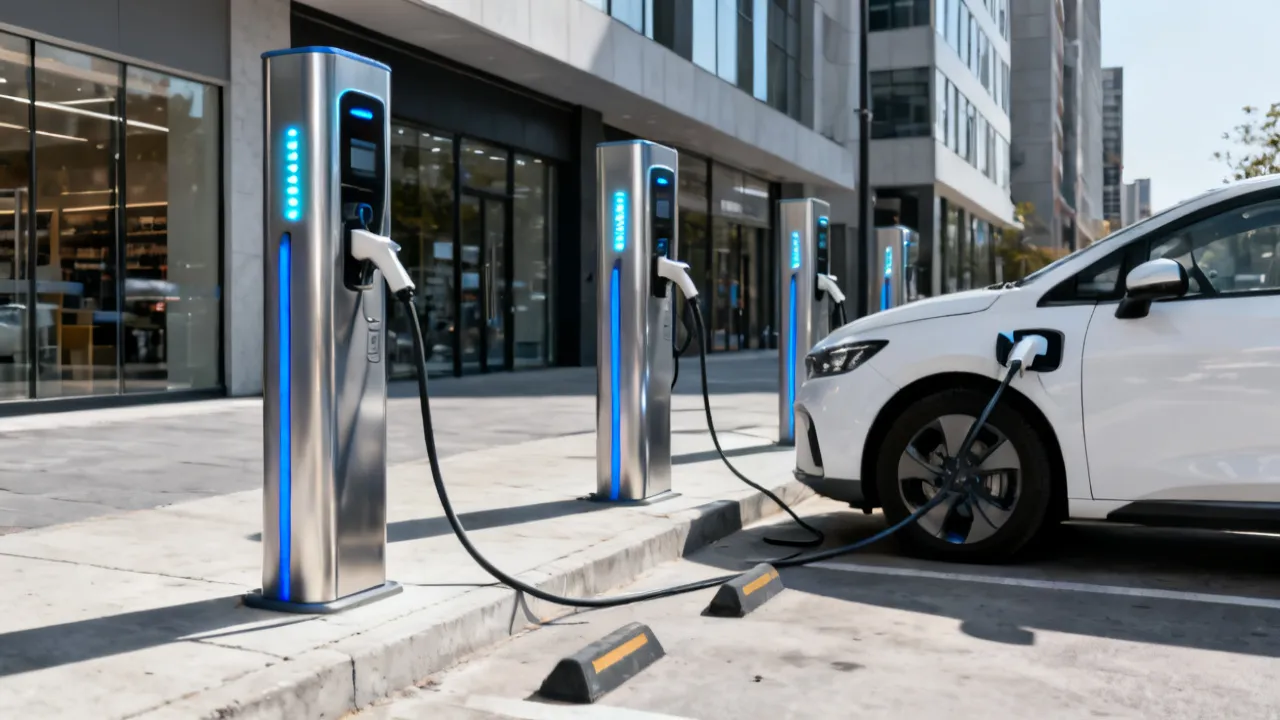
| Charging Infrastructure | Rapidly expanding to accommodate the growing fleet of electric vehicles, with efforts to ensure accessibility in both urban and rural settings. |
Moreover, automotive manufacturers are introducing a wider variety of electric models catering to all segments, from budget-friendly compact cars to high-performance luxury vehicles. Investment in research and development of alternative energy sources, such as hydrogen fuel cells, is also on the rise, further diversifying the future landscape of transportation.
Challenges and Opportunities
Despite its promise, electromobility presents multiple challenges that need addressing. The high cost of EVs compared to traditional vehicles remains one of the most significant barriers to mass adoption. While prices have been gradually decreasing due to advancements in battery technology and production processes, many consumers are still deterred by the upfront investment required to switch to electric.
Limited charging infrastructure poses another major hurdle. In many regions, especially rural or less developed areas, charging stations are still scarce, causing "range anxiety" among potential EV buyers. Moreover, the global supply chain challenges have affected the manufacturing of vehicles, particularly concerning the availability and cost of materials used in batteries, such as lithium and cobalt.
Additionally, the battery disposal and recycling process presents significant environmental concerns. As more electric vehicles hit the roads, the need for sustainable disposal methods for old batteries becomes critical. The mining of materials for battery production and the ecological impact of this process also raise sustainability questions.
Conversely, opportunities for innovation abound. Improved battery technology is continually being developed, promising not only increased range but also faster charging times. Several companies are exploring solid-state batteries, which could revolutionize the industry by providing greater energy density and safety. Furthermore, economies of scale will likely reduce costs, making EVs more accessible to a broader audience.
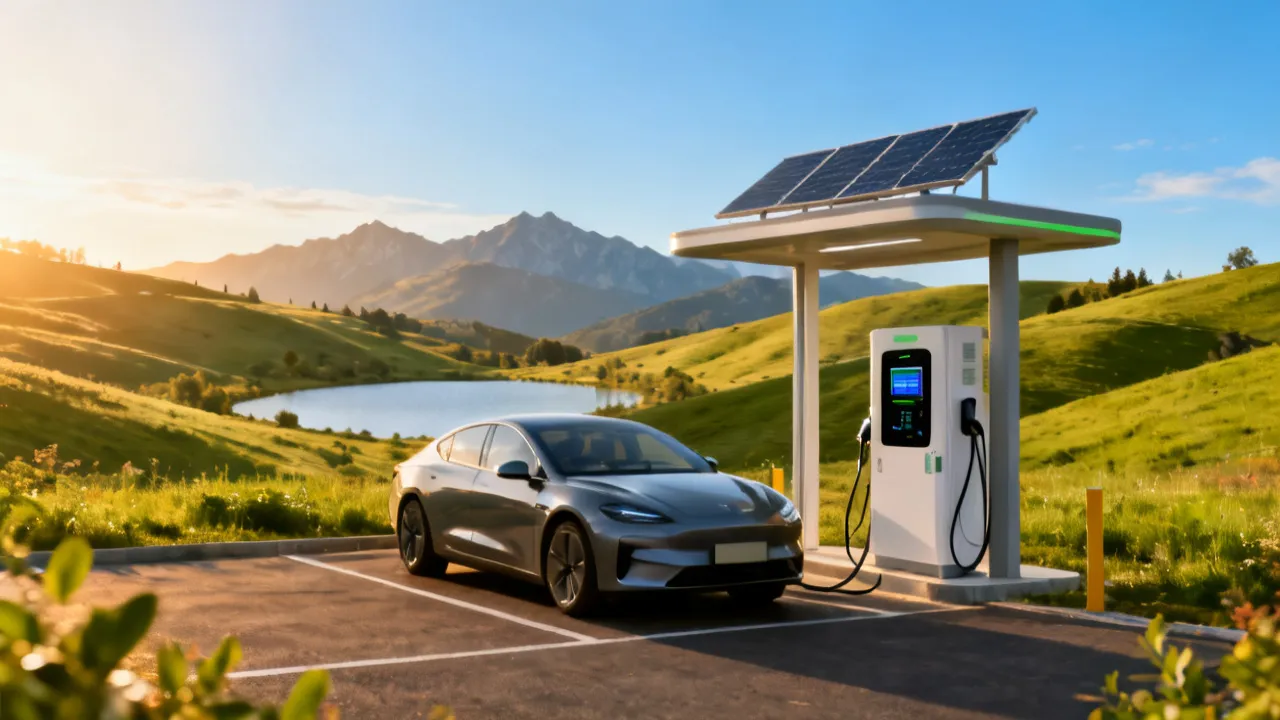
Renewable energy integration presents another significant opportunity. The synergy between electromobility and renewable energy sources can lead to a more sustainable future. Charging electric vehicles with solar or wind energy will reduce the carbon footprint of these vehicles significantly, creating a closed-loop system that benefits both the environment and consumers.
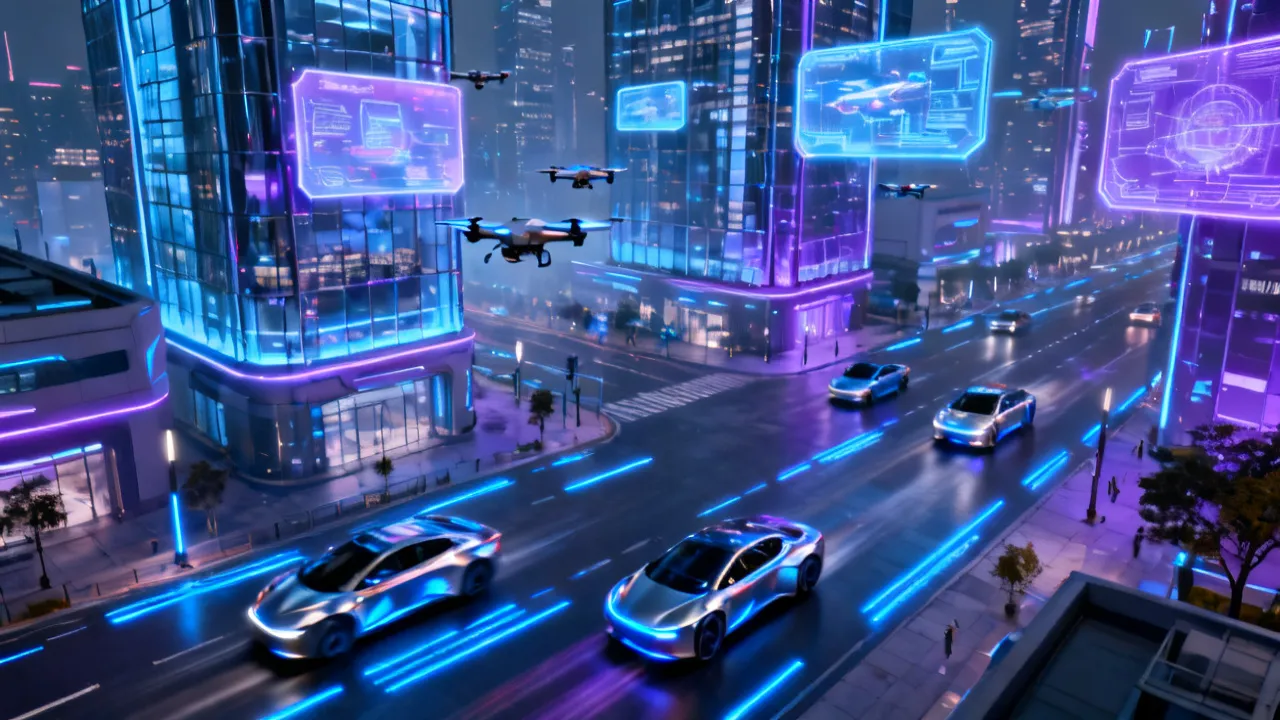
Investment in public transport systems is also crucial. Electric buses and trains are being introduced in cities worldwide, contributing to cleaner urban air and reducing traffic congestion. Developing smart cities equipped with robust infrastructure to support electric mobility could transform urban life, making cities more interconnected and environmentally friendly.
Future of Electromobility
Looking ahead, electromobility is set to become the cornerstone of urban transport systems. Government policies focusing on sustainability will foster investment and innovation in the sector. Proposals for stricter emission regulations are gaining traction, compelling manufacturers to accelerate their transition to electric. Moreover, cities are beginning to embrace the concept of smart mobility, integrating electric vehicles into comprehensive transport plans that include public transit, biking infrastructure, and pedestrian-friendly policies.
Public-private partnerships will likely boost infrastructure, research, and development, leading to more efficient and affordable electric solutions. Collaborative efforts between governments and technology companies are vital to building the necessary charging infrastructure and creating intelligent transportation systems that utilize real-time data to optimize traffic flow and reduce congestion. As technologies evolve, electric vehicles may not just be personal transportation solutions but integral parts of a smart, interconnected urban ecosystem.
Moreover, as battery technology continues to evolve, vehicles will become not only longer-lasting but also smarter. Many electric vehicles currently feature cutting-edge technology, such as autopilot and advanced navigation systems, which can be enhanced with artificial intelligence and machine learning. This shift towards higher interconnectedness and automation will create new opportunities and challenges in the electromobility landscape.
Additionally, alternative forms of electromobility such as electric aircraft and maritime vessels could emerge. Companies are investing in electric propulsion for aerial systems and marine transportation, with promising results indicating that these modes could play a critical role in sustainable transportation moving forward. As electric power becomes more prevalent, the electrification of all transport modalities may significantly reshape how goods and people move around the globe.
FAQs
What is electromobility?
Electromobility refers to the use of electric power for vehicular and transportation operations, encompassing vehicles like electric cars, bikes, buses, and trains.
Are electric vehicles more environmentally friendly?
Yes, they generally produce fewer emissions compared to conventional vehicles when renewable energy charges them. The overall impact of EVs on the environment depends on various factors including battery production, energy source for charging, and lifecycle management.
Will electric vehicles replace traditional cars?
While the transition is underway, a complete replacement will take time considering infrastructure and consumer adaptation. However, as charging networks expand and technology improves, a significant shift towards electrification is inevitable.
What advancements are expected in electromobility?
Future advancements include longer-range batteries, faster charging solutions, and broader availability of affordable electric models. Innovations in battery chemistry and solid-state technologies promise to enhance performance and sustainability in the sector.
How does electromobility contribute to sustainability?
By reducing reliance on fossil fuels and lowering emissions, electromobility significantly contributes to environmental sustainability. Electric vehicles, when coupled with renewable energy sources, can help create a net-zero transport sector, vital for combating climate change.
As the demand for greener transport solutions increases, electromobility stands out as an integral component of a sustainable future. Embracing this technology on a global scale will likely redefine how societies perceive mobility and environmental responsibility. Investing in this paradigm shift not only addresses pressing environmental concerns but also creates opportunities for economic growth and technological innovation, ultimately leading to a more sustainable global community.