The Future of Electromobility
This article delves into the emergence and advancement of electromobility, detailing its impact on transportation, sustainability, and the global economy. Electromobility, as explained, is the integration of electric vehicles into mainstream transportation. It signifies a transformative shift from traditional fuel-sourced vehicles, fostering greener urban environments and reducing carbon footprints.
Introduction to Electromobility
Electromobility, or e-mobility, signifies a pivotal change in the landscape of transportation, highlighting the shift from internal combustion engine (ICE) vehicles to electric vehicles (EVs). This transition not only promises enhanced energy efficiency but also contributes to a significant reduction in carbon emissions, promoting environmental sustainability.
The Rise of Electromobility
The concept of electromobility, as examined in various scholarly resources, has gained widespread attention due to its potential to revolutionize the transportation sector. This transformation is driven by technological advancements, shifting governmental policies towards greener alternatives, and heightened consumer awareness about climate change. As energy costs soar and the effects of climate change become increasingly visible, both consumers and governments are seeking alternatives that can mitigate these pressing issues.
Globally, many countries have set ambitious goals to phase out traditional ICE vehicles in pursuit of a cleaner future. Strong political will has emerged in the form of legislation and international agreements aimed at reducing greenhouse gas emissions. For instance, the European Union has introduced rules to reduce carbon emissions from vehicles, pushing automotive manufacturers towards developing more efficient electric alternatives.
Technological Advancements in Electromobility
Technological progress is at the heart of electromobility's rise. Significant advancements in battery technology have been pivotal, leading to increased efficiency, reduced costs, and extended ranges for electric vehicles. Lithium-ion batteries, in particular, have seen remarkable improvements, which have facilitated the widespread adoption of EVs. As research into battery technology advances, new generations of batteries are being developed that offer higher energy densities, longer lifespans, and faster charging times.
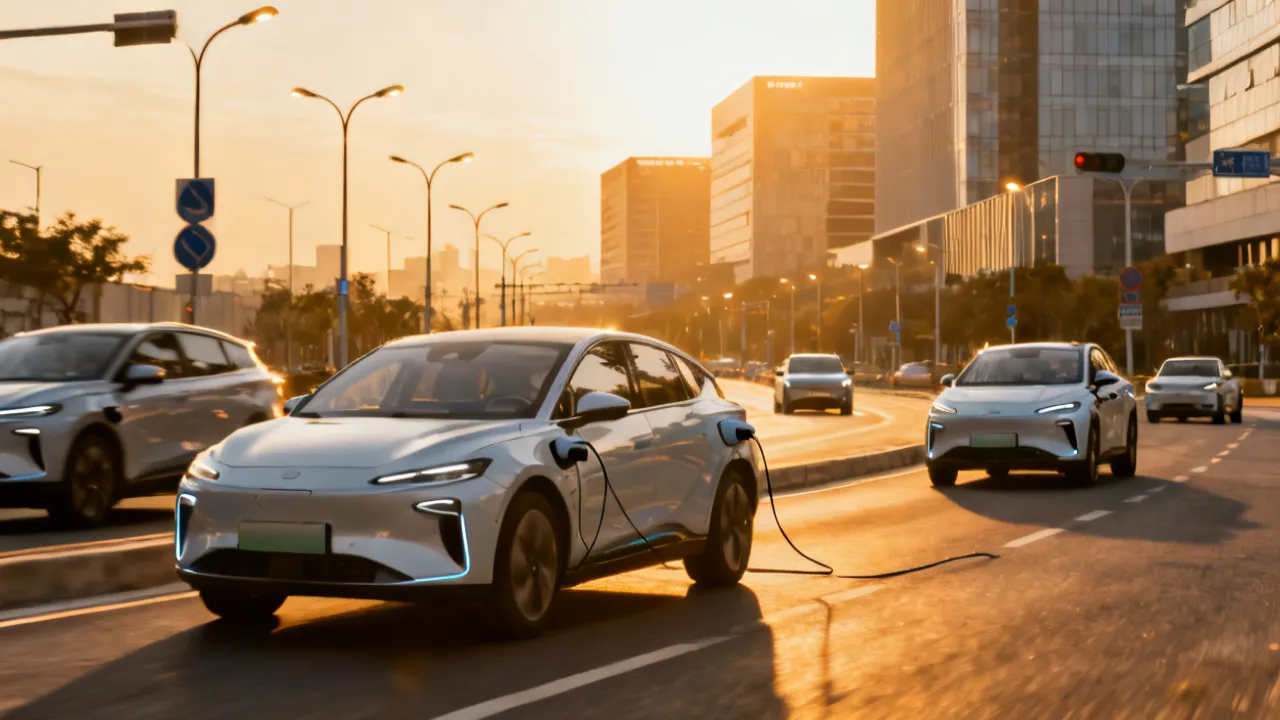
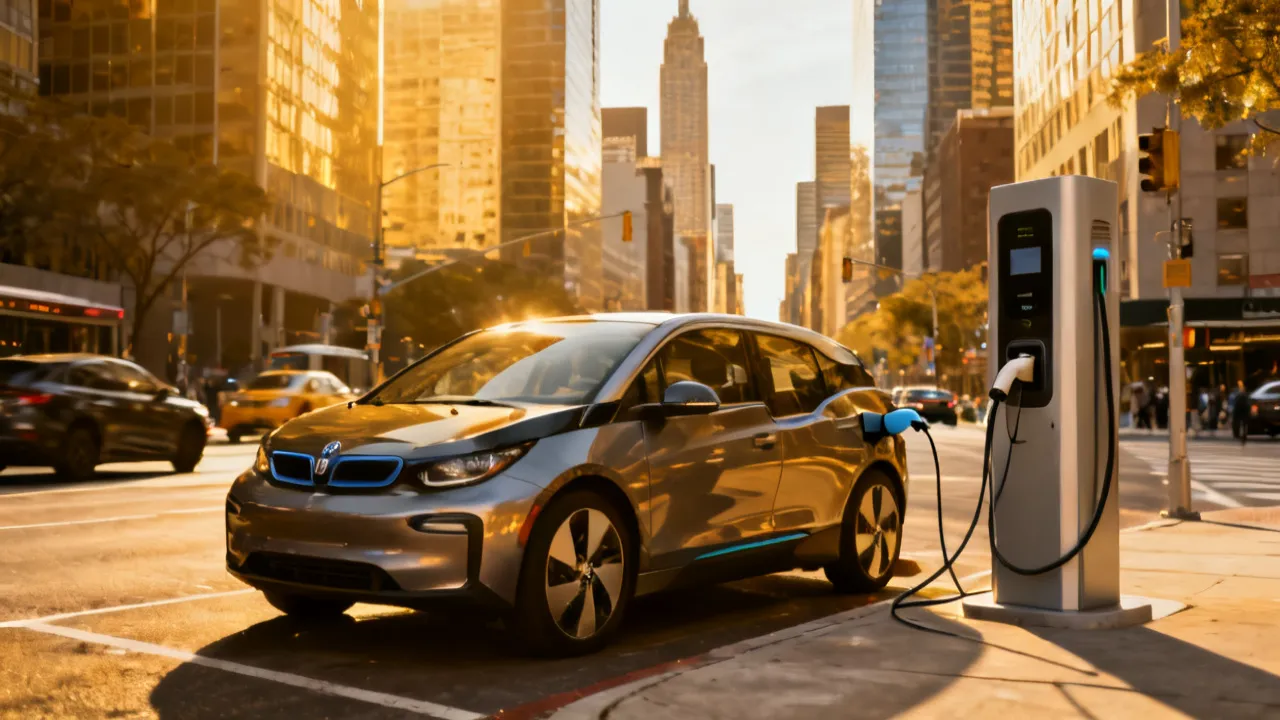
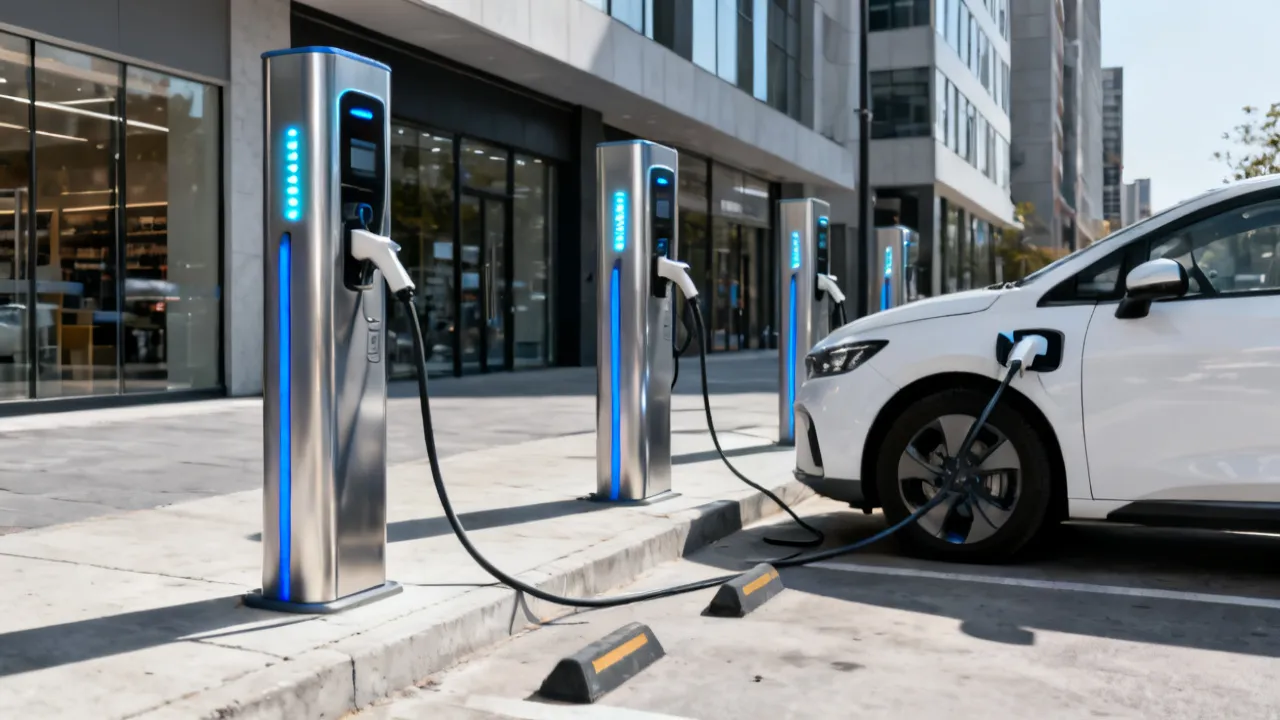
Moreover, developments in charging infrastructure, including ultra-fast charging stations, have alleviated the 'range anxiety' that often deters consumers from switching to electric vehicles. These advancements ensure that EVs are not only feasible but also practical for long-distance travel, addressing one of the key hurdles faced in their adoption. In regions where the charging infrastructure is robust, EV users find it convenient to charge their vehicles overnight and use them seamlessly in their daily routines, promoting greater adoption.
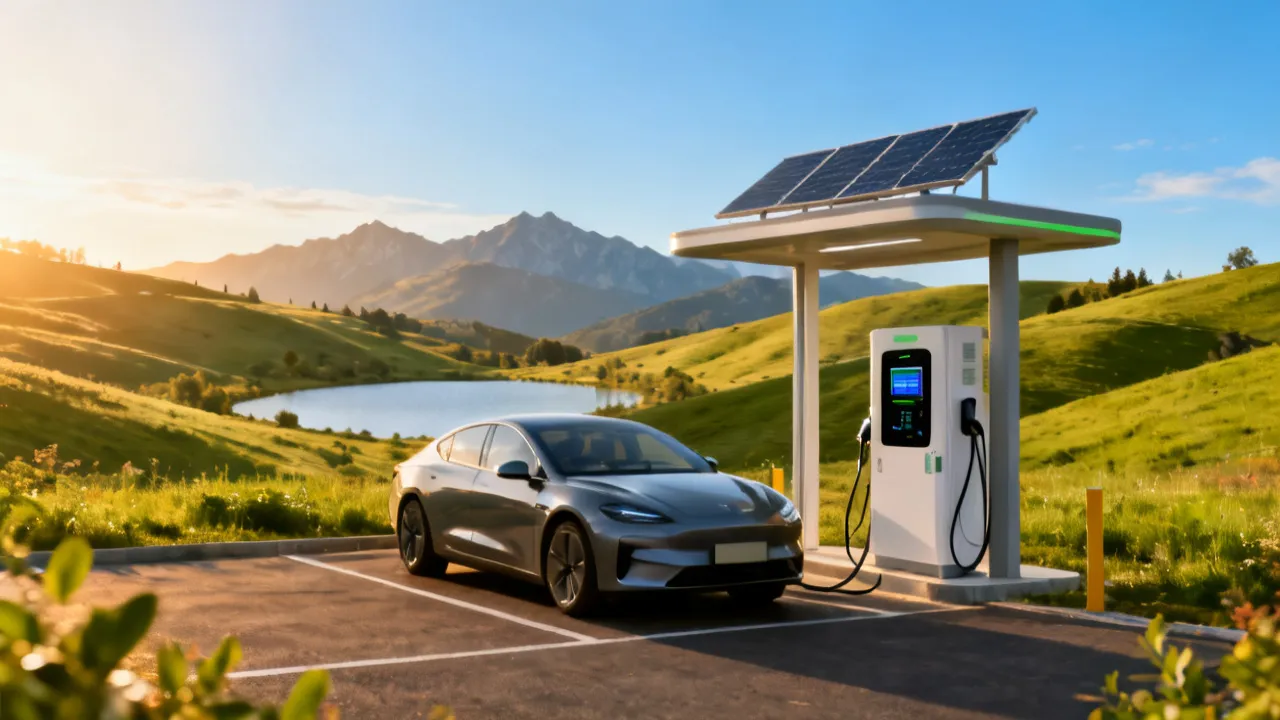
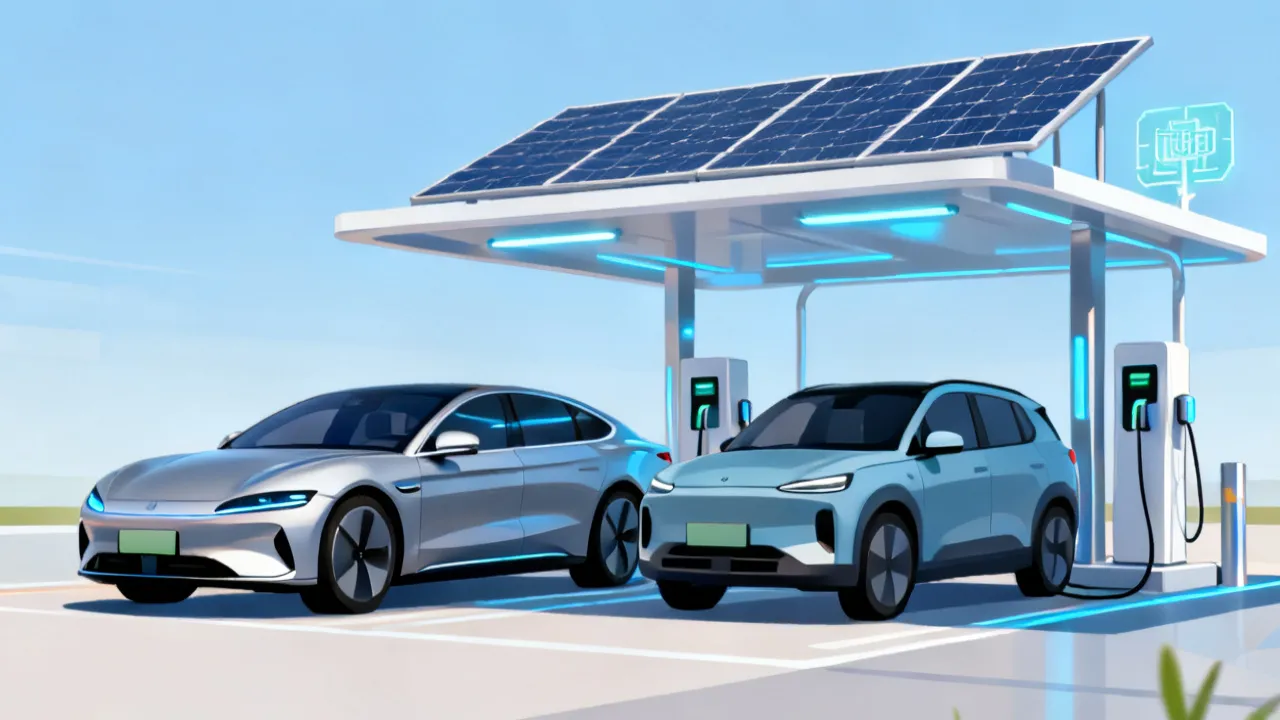
Furthermore, innovations such as wireless charging technology are under development. This technology allows vehicles to charge without physical connectors, which could make charging more accessible and practical in urban environments. Infrastructure improvements like solar-powered charging stations further enhance this ecosystem, making EVs a cornerstone of sustainability in urban planning.
Environmental Impact and Sustainability
Electromobility plays a crucial role in reducing air pollution and greenhouse gas emissions. Unlike conventional vehicles, EVs have zero tailpipe emissions, which results in cleaner air, especially in urban areas. This reduction contributes to mitigating climate change and its associated adverse effects, promoting a healthier atmosphere that can impact public health positively.
Furthermore, as the energy grid progressively integrates renewable energy sources, the overall carbon footprint of electric vehicles diminishes. This synergy between renewable energy and EV technology enhances the sustainability of electromobility. When electric vehicles are charged using renewable energy, such as solar or wind power, they become even greener, significantly reducing the carbon footprint associated with transportation.
In addition to the well-known benefits, the lifecycle of electric vehicles, from production to recycling, has been the subject of increased scrutiny. Efforts are underway to ensure that the materials used in EV batteries are sustainable and can be recycled efficiently. For instance, the incorporation of metals like cobalt and lithium is being evaluated for their environmental impact, and researchers are working on alternatives that can minimize ecological damage. As such, a closed-loop recycling process that recovers valuable materials for reuse is increasingly seen as a vital step toward enhancing the sustainability of the electric vehicle industry.
Economic Implications of Electromobility
The growth of electromobility has vast economic implications, including job creation and the stimulation of new industries. The shift from ICE vehicles to EVs requires a recalibration of the automotive industry, with an increased focus on battery production, software development, and charging infrastructure, fostering sectors that can drive economic growth. Investments in electric vehicle technology and the supply chain can lead to the creation of high-tech jobs and opportunities for innovation across various sectors.
Additionally, governments worldwide are incentivizing the switch to electric vehicles through subsidies and tax breaks, making them a more attractive option for consumers. This support boosts the demand for EVs and stimulates the broader economy through increased consumer spending and industrial expansion. The automotive industry is witnessing a paradigm shift wherein traditional manufacturers are partnering with tech companies and startups to develop new business models, including subscription services for electric vehicles, which opens additional revenue streams.
As the market for electric vehicles grows, ancillary industries are also emerging. Companies specializing in EV parts, software development for autonomous driving technology, and smart charging solutions are experiencing significant growth, indicating a bustling ecosystem surrounding electromobility. Beyond traditional automotive roles, new careers are being created in areas like energy management, charging infrastructure maintenance, and electric vehicle design, harnessing the potential of skilled labor in this evolving landscape.
Challenges in the Adoption of Electromobility
Despite its numerous benefits, the widespread adoption of electromobility faces certain challenges. These include the high initial cost of electric vehicles, which, though decreasing, remains a barrier for many consumers. Although battery prices have dropped substantially in recent years, the upfront cost of purchasing an electric vehicle can still be significantly higher than that of a comparable ICE vehicle. This higher starting price can discourage potential buyers, particularly in emerging markets where consumers may have limited options in financing EVs.
Moreover, the lack of sufficient charging infrastructure in some regions hinders the seamless operation of EVs. Urban areas may have more charging stations, but rural areas often lack the necessary infrastructure, making it less feasible for residents to adopt electric vehicles. To combat this, governments and private entities must invest in expanding the charging network, ensuring that it is accessible and convenient, regardless of location.
Another significant challenge is the environmental impact of battery production and disposal. The extraction of raw materials for batteries, such as lithium, cobalt, and nickel, has raised ethical and environmental concerns. Mining operations can lead to habitat destruction and water pollution, and working conditions in these mines are often poor. To address this, research is ongoing to develop batteries that are not only more efficient but also more environmentally friendly. Closed-loop recycling processes are being developed to mitigate waste from battery disposal, and breakthroughs in solid-state batteries could reduce reliance on scarce materials.
Looking Forward: The Future of Electromobility
The future of electromobility is promising, with exponential growth anticipated in the coming decades. Continued innovation in battery technology, coupled with increased investment in charging infrastructure, will play pivotal roles in this expansion. As governments enforce stricter regulations on emissions and incentivize the transition toward clean energy, the market for electric vehicles is set to explode.
Moreover, as automakers commit to phasing out ICE vehicles in favor of electric alternatives, cities implement stricter emission regulations, and consumers become more ecologically conscious, electromobility's place as a cornerstone of future transportation is assured. This evolution represents not only a technological transformation but also a shift towards a more sustainable and environmentally-responsible world.
The integration of smart technology into vehicles will further enhance the driving experience. Features like autonomous driving, vehicle-to-grid communication, and smart charging can optimize energy management and increase the efficiency of the transportation system. Innovations such as using electric vehicles as mobile energy storage units may also play a role in balancing energy demands on the grid, particularly during peak usage times.
As cities worldwide explore urban mobility solutions that incorporate electric vehicles, we may see a substantial increase in the availability of alternative transportation methods, such as electric scooters, e-bikes, and on-demand electric ride-sharing services. These options can reduce congestion and pollution, making urban environments safer and healthier for residents.
Table of Key Aspects of Electromobility
| Aspect | Details |
|---|---|
| Technological Advancements | Focus on battery innovation, charging infrastructure, and EV efficiency, reinforced by advancements in wireless charging technology and solar integration. |
| Environmental Impact | Reduction of air pollution and greenhouse gas emissions through zero tailpipe emissions and integration with renewable energy sources, alongside improvements in battery lifecycle management. |
| Economic Implications | Job creation, industrial growth, and government incentives driving demand, with ancillary industries emerging to support the EV ecosystem. |
| Challenges | High initial EV costs, charging infrastructure limitations, environmental and ethical concerns regarding battery production and disposal. |
FAQs
- How does electromobility differ from traditional auto technology? Electromobility focuses on using electric powertrains instead of internal combustion engines, significantly reducing emissions and fuel dependency.
- What is the lifespan of an electric vehicle battery? Most EV batteries last between 10-20 years, depending on usage and maintenance, with advancements continuously extending this lifespan.
- Are there enough charging stations for long-distance travel? The number of charging stations is rapidly increasing, with ultra-fast charging options becoming more prevalent to support long-distance travel.
- What incentives are available for purchasing EVs? Many governments offer subsidies, tax credits, and rebates to encourage the purchase of electric vehicles, although specifics vary by location.
Conclusion
The future of transportation is undeniably linked to the rise of electromobility. With continued advancements in technology, a growing commitment to sustainability, and global momentum towards greener alternatives, the transition to electric vehicles is set to transform how we approach personal and public transport. It is essential for policymakers, industry stakeholders, and consumers to collaborate and embrace this change, fostering an environment where electromobility can thrive and yield profound positive impacts on our economy, society, and the environment. The ongoing journey towards a sustainable future requires collective effort and innovative thinking to overcome challenges and maximize the benefits of electromobility.