The Evolution of Electromobility
This comprehensive guide explores the evolution and impact of electromobility, a transformative advancement in transportation characterized by electric vehicles replacing conventional fuel-driven machines. Electromobility represents a significant shift towards sustainable transportation, leveraging electric power to reduce environmental impact and enhance energy efficiency. Its integration into the modern transportation system is documented across various platforms, including extensive entries on Wikipedia.
Understanding Electromobility: A Modern Revolution
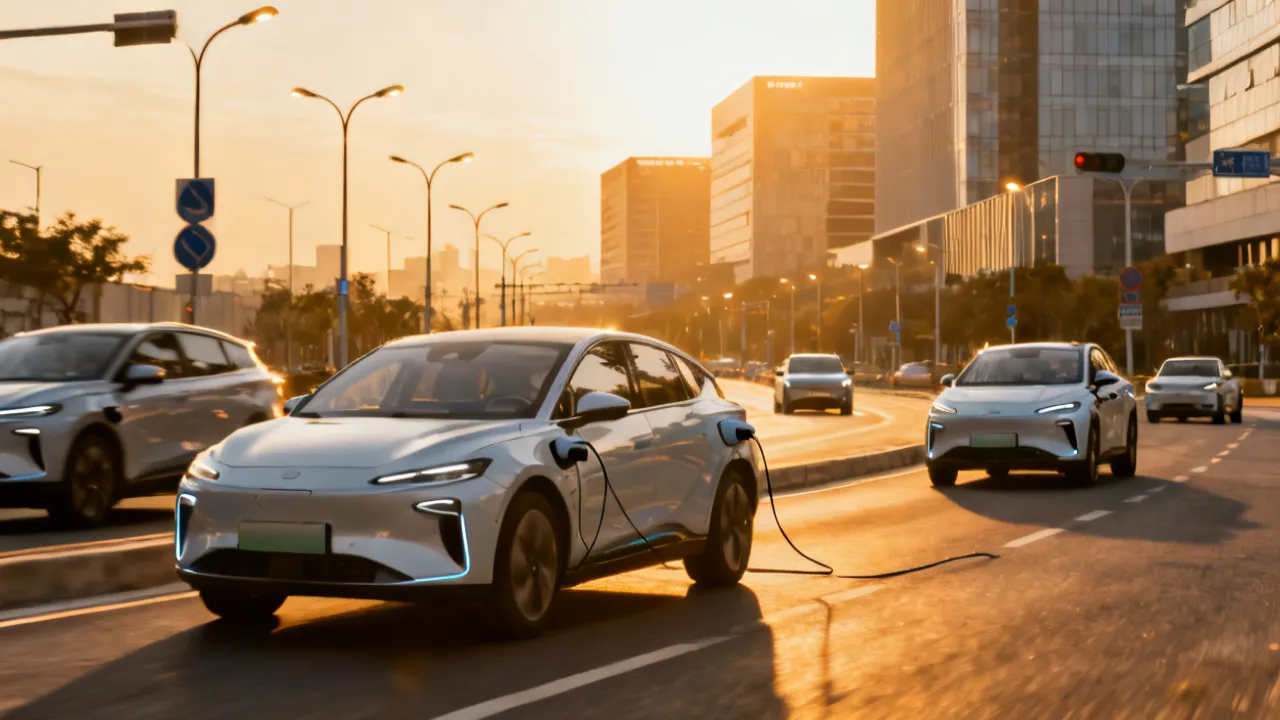
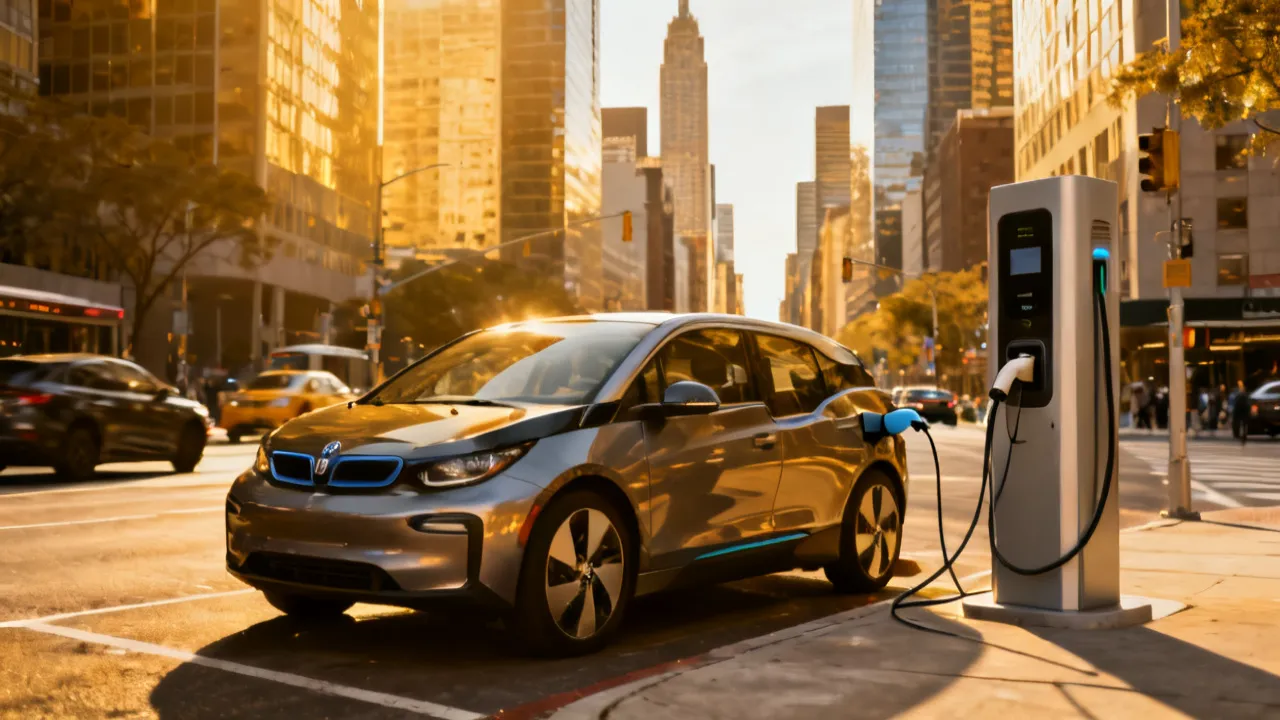
Electromobility, often referred to as e-mobility, marks a significant shift in human transportation paradigms. It involves the use of electric vehicles (EVs), including cars, buses, and motorcycles, that run on electricity rather than traditional fossil fuels. This form of transportation facilitates significant reductions in greenhouse gas emissions and diminishes reliance on oil, thus contributing to an environmentally sustainable future. Furthermore, electromobility fosters a new wave of technological innovation and infrastructure development, driving us towards smarter cities and more integrated urban transportation systems.
The Transformation of Transportation
The global transportation landscape is undergoing a transformation with an increasing number of electric vehicles being adopted worldwide. Leading the charge in this movement are innovations in battery technologies, advancements in charging infrastructure, and supportive governmental policies that incentivize EV adoption. The rising demand for sustainable transport solutions has prompted research into alternative energy sources, including solar, wind, and hydroelectric power for charging EVs, creating an ecosystem of renewable energy integration with everyday mobility. Information about these advancements and their implications is widely documented on platforms such as Wikipedia, providing a wealth of knowledge for enthusiasts, policymakers, and industry stakeholders.
Key Components Driving Electromobility
Electromobility involves an intricate web of components working in harmony. The very critical among these are:
- Batteries: Lithium-ion batteries have become the cornerstone of electric vehicles due to their energy density, longevity, and decreasing costs. Ongoing R&D in battery chemistries, such as solid-state batteries and alternative lithium technologies, promises higher performance and safety standards.
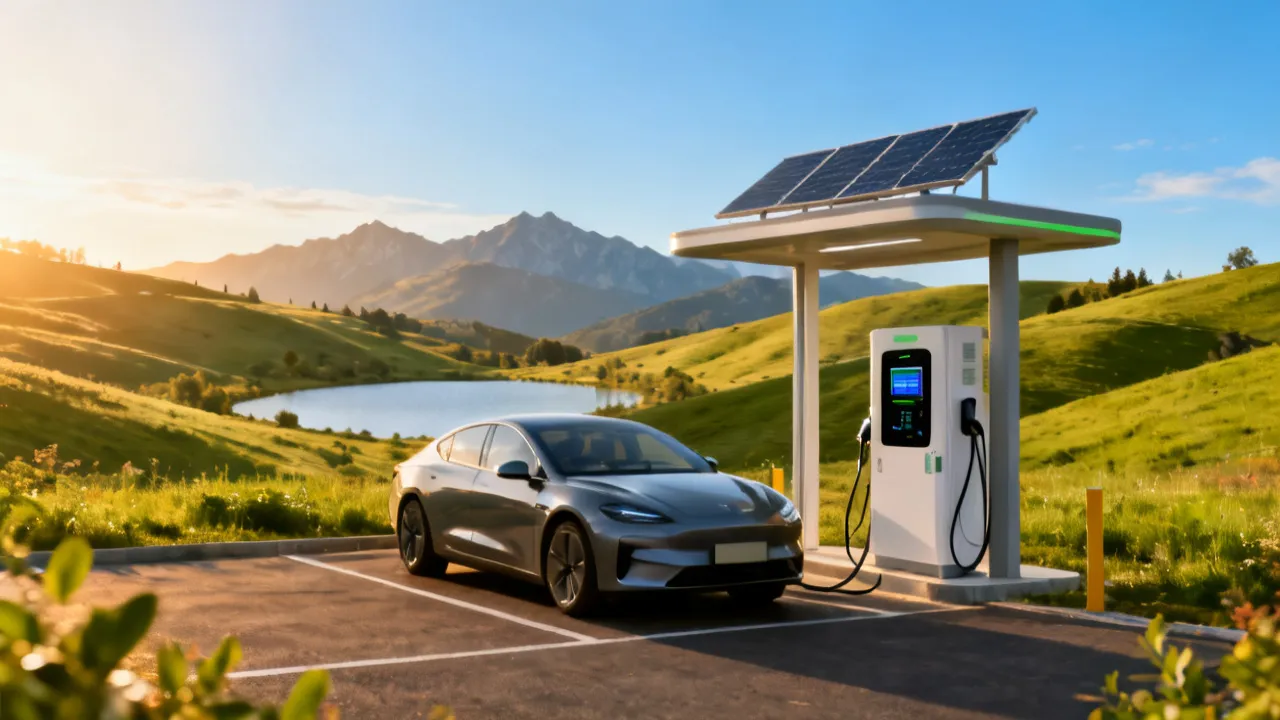
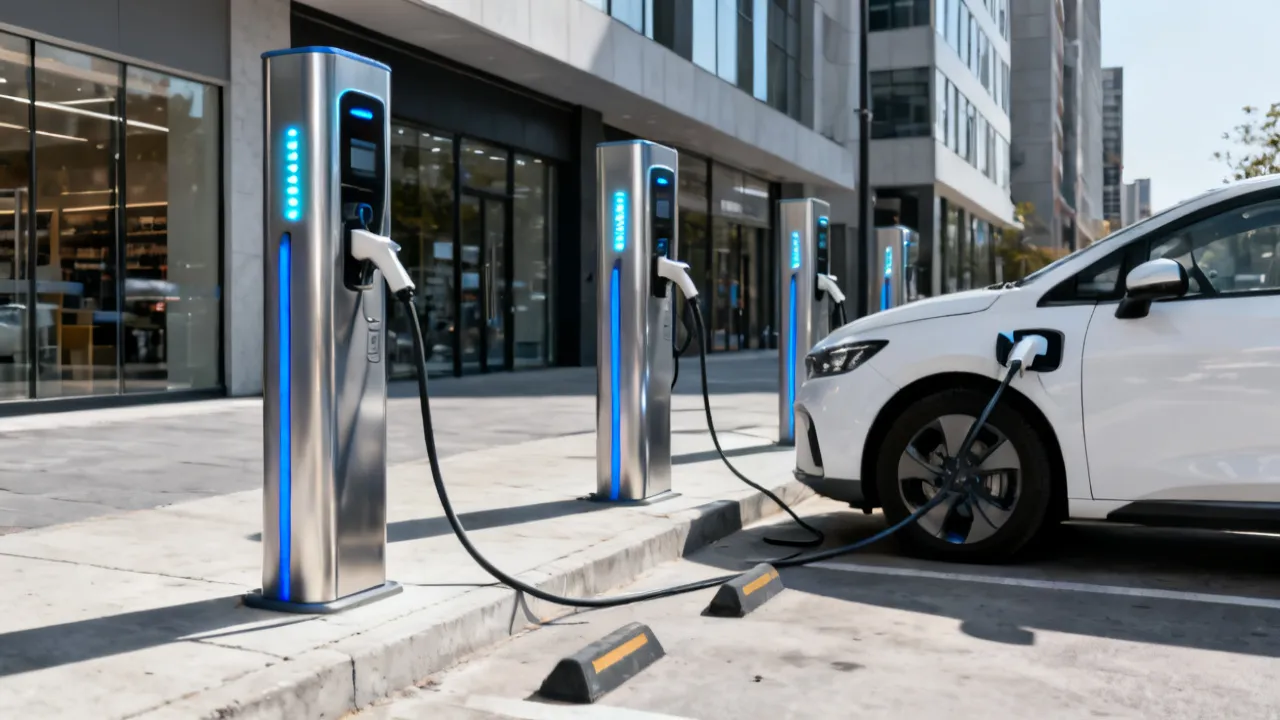
- Charging Infrastructure: As the number of EVs increases, the demand for a robust charging infrastructure grows. This includes rapidly evolving networks of public and private charging stations, ranging from slow chargers that can replenish a battery overnight to ultra-fast charging stations that can significantly reduce charging time to just a few minutes. Makers are exploring charging networks that use renewable energy sources to power these stations, enhancing the sustainability aspect of electromobility.
- Electric Drive System: This system, including electric motors and associated electronics, converts electrical energy into mechanical energy, propelling the vehicle on the road. Ongoing innovations in electric drivetrains not only enhance performance but also increase efficiency, allowing EVs to travel longer distances on a single charge.
Global Electromobility Trends
Countries around the globe are committing resources to accelerate the transition to electromobility. Some notable trends include:
- Norway: Leading the world in per capita EV adoption, largely due to significant subsidies, tax exemptions, and investments in charging infrastructure. As a result, over half of new car sales in Norway are electric vehicles, setting a benchmark for other nations.
- China: The largest market for EVs, driven by government mandates, aggressive subsidies, and substantial investments in battery production. Homegrown companies like BYD and NIO are becoming synonymous with electric transportation and are expanding rapidly into international markets.
- United States: Technological innovations spearheaded by companies such as Tesla have galvanized market growth and consumer interest. Cities are beginning to integrate electric buses into public transport, significantly reducing the carbon footprint associated with urban commuting.
- Germany: As one of the leading automobile manufacturers in the world, Germany is investing heavily in electrification. Major brands like Volkswagen and BMW are committing to significant targets for electrification in their car lineups, highlighting a comprehensive strategy focused on sustainability.
- India: The Indian government is pushing for electric mobility as part of its larger initiative to reduce pollution in major cities and enhance energy security. With its ambitious plans to deploy millions of electric two-wheelers and electric taxis, India is establishing itself as a significant player in the global electromobility landscape.
Challenges and Opportunities
While electromobility presents numerous benefits, its widespread adoption is not without challenges:
- Battery Supply Chain: Dependence on rare earth materials, such as lithium, cobalt, and nickel, presents supply chain vulnerabilities. Geopolitical tensions and mining challenges could disrupt access to necessary resources, prompting the industry to explore recycling and the development of more abundant alternative materials.
- Infrastructure Investment: Developing a cohesive charging network requires significant capital investment. A collaborative approach involving government, private companies, and local communities is vital for establishing a comprehensive charging infrastructure that meets the needs of growing EV populations.
- Consumer Acceptance: Overcoming range anxiety and promoting consumer confidence through education and infrastructure development are essential. As awareness increases and charging networks expand, consumers gain reassurance about the practicality of choosing electric vehicles over traditional combustion-engine ones.
- Technological Paradigm Shifts: Rapid advancements in EV technology, including battery innovations, vehicle performance, and integration with renewable energy sources, may outpace regulatory frameworks, creating challenges for consistent and effective policy development.
Despite these challenges, the opportunities are vast. Electromobility provides a platform for technological advancements, including integrated smart grids, autonomous driving technologies, and enhanced energy efficiency standards. The rise of connected vehicles opens avenues for improved traffic management and urban planning while reducing congestion and further environmental impacts.
Emerging Market Dynamics and Supplier Contributions
Suppliers worldwide are rising to meet the burgeoning demand for electromobility solutions. Key players include battery manufacturers, EV makers, and technology firms specializing in innovative powertrain solutions. Collaboration between these entities is critical to advancing the market. For instance, automakers are increasingly partnering with tech companies to integrate AI and machine learning into vehicle systems, improving operational efficiency and user experience.
Furthermore, the growth of shared mobility platforms, such as ride-sharing and car-sharing services, is reshaping demand for electric vehicles, as fleets move towards electrification to reduce operational costs and increase environmental sustainability. Governments are incentivizing this shift through grants and subsidies while urban centers are embracing policies that promote electric fleet deployment to enhance public transport systems.
FAQs
1. What is electromobility?
A mode of transportation powered by electricity, primarily using electric vehicles for reduced environmental impact and sustainability.
2. Are electric vehicles truly more sustainable?
Yes, when considering their lifecycle emissions, electric vehicles generally have lower carbon footprints than traditional vehicles. The integration of renewable energy sources for charging further enhances their sustainability.
3. How is charging infrastructure improving?
Investment in public and rapid charging stations is increasing, with advancements in charging technology making it easier and faster for consumers to charge their vehicles. The development of smart charging solutions allows for better grid management and can optimize electricity use during off-peak hours.
4. Can the power grid support a mass shift to electric vehicles?
Yes, with smart grid technology and increased renewable energy sources, grids can adapt to rising demand. Utilities are implementing strategies such as demand response management and energy storage systems to balance increased electricity consumption from EVs.
5. How do electric vehicles compare in performance to traditional vehicles?
Electric vehicles often outperform traditional internal combustion engine vehicles in acceleration and torque delivery due to the characteristics of electric motors. Additionally, they provide quieter operation and lower maintenance costs as they have fewer moving parts, promoting longevity.
6. What is the role of government in promoting electromobility?
Governments play a critical role in promoting electromobility by implementing comprehensive policies, incentives, and subsidies to facilitate the adoption of electric vehicles. They also invest in charging infrastructure and research and development to stimulate market growth.
The path towards widespread electromobility adoption is multifaceted, with rich documentation available on platforms like Wikipedia. As we look to the future, the continuous evolution in this field exemplifies a commitment to a cleaner, more efficient form of transportation. This journey towards a sustainable future promises not only to reshape transportation but to redefine urban living and environmental stewardship globally.
Future Outlook for Electromobility
As we look ahead, the future of electromobility is integrated with evolving technologies and changing social dynamics. The shift towards a more sustainable transportation model is set to accelerate in the coming years, driven by several key factors:
- Technological Advancements: Innovations in battery technology, such as the shift to solid-state batteries, promise to improve energy density and reduce charging times. With broader adoption of fast-charging technologies, travel ranges for electric vehicles will continue to expand, minimizing concerns associated with range anxiety.
- Policy and Regulation: Governments worldwide are establishing regulatory frameworks to support EV adoption. Initiatives like the Paris Agreement encourage nations to set ambitious targets to reduce carbon emissions, driving further investment in electric vehicle technology and infrastructure.
- Consumer Demand: A growing awareness of climate change and environmental issues is shifting consumer preferences towards sustainable transportation options. As education and access increase, more consumers are making conscious choices toward electric vehicles that align with their values.
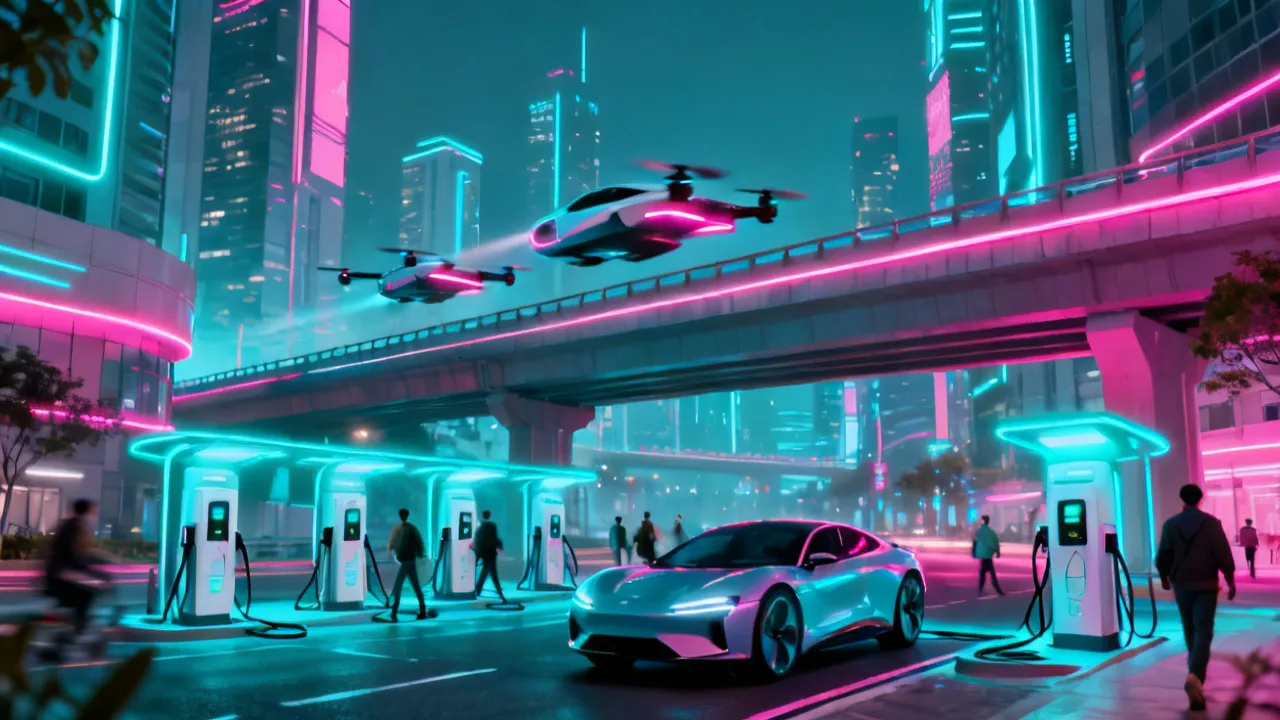
- Integration with Smart Cities: The rise of smart cities, characterized by interconnected systems and technology-driven urban planning, is closely linked to the proliferation of electromobility solutions. Electric vehicles will play a pivotal role, enhancing public transport solutions, improving air quality, and optimizing traffic flow through integrated transportation networks.
- Global Collaboration: Electromobility is a global challenge that requires international collaboration. Joint ventures between countries can lead to shared research, pooling of resources, and collective strategies to combat climate change through sustainable mobility.
In conclusion, the longstanding transition to electromobility signifies not just a technological change but a transformative social evolution towards a sustainable future. As industry stakeholders and consumers become more engaged in this journey, the collective push for electrification will reshape economics, urban living, and how societies approach mobility in an era marked by climate urgency. This shift will represent not only a revolution in transportation but also a profound commitment to environmental responsibility and innovative living.