Understanding Electromobility Advancements
Electromobility explores the use of electric powertrain technologies, in-vehicle information, and communication technologies (ICT) for electric vehicles and the related infrastructure. Wikipedia provides a comprehensive overview of electromobility, emphasizing its growing significance in sustainable urban transportation and the transition to a low-carbon economy.
The Age of Electromobility
Electromobility represents a significant shift in how we perceive and utilize transportation technologies, primarily focusing on the development and adoption of electric vehicles (EVs) and the supportive infrastructure necessary for a sustainable ecosystem. As per Wikipedia, electromobility broadly encompasses various modes of transport that operate on electric power, including cars, buses, and even bicycles. This transition towards electric mobility is not merely a technological change; it encompasses a cultural shift towards sustainability, cleaner air, and reduced reliance on fossil fuels.
History and Evolution of Electromobility
The concept of electromobility is not entirely new. Between the late 19th and early 20th centuries, electric vehicles were relatively popular before the dominance of internal combustion engines. Early electric vehicles, such as those produced by Baker Motor Vehicle Company and others, were favored for their quiet operation and lack of exhaust fumes. These vehicles were particularly appealing in urban environments where air quality was an emerging concern, similar to modern challenges. However, the introduction of mass-produced gasoline vehicles by manufacturers like Ford fundamentally disrupted the electric vehicle market.
Fast forward to the late 20th century, with the oil crisis of the 1970s acting as a catalyst for renewed interest in alternative energy vehicles, including EVs. Research and development initiatives aimed at improving battery technology gained momentum, yet it wasn't until the early 21st century that significant advancements transformed the market. As the dire consequences of climate change became increasingly evident, global awareness, incentives for sustainable practices, and technological innovations combined to create a fertile ground for the revival of electromobility.
According to Wikipedia, the evolution of battery technology and the decrease in battery costs have played a crucial role in modernizing and making electric vehicles more accessible to the public. The introduction of lithium-ion batteries was a game-changer in the EV sector. These batteries not only offered higher energy density but also significantly reduced costs due to economies of scale as demand for electric vehicles increased. The development of more efficient charging technologies and longer-lasting batteries has further accelerated the shift towards electrification.
Current State and Challenge
Today's electromobility landscape is characterized by a rapid increase in EV adoption worldwide, aided by governmental policies favoring green transport solutions and significant investments by automakers in electric powertrains. In many nations, the transition to electric vehicles has been backed by major legislative frameworks, such as the European Union's Green Deal and the United States' Infrastructure Investment and Jobs Act. Moreover, prominent automotive companies are pledging to electrify their fleets within the next couple of decades, reflecting a paradigm shift towards sustainable mobility.
Despite these advancements, challenges remain, including the necessity for expansive charging infrastructure, battery life concerns, and the environmental impact of battery production and disposal. One of the pressing issues is "range anxiety," a term used to describe the fear of running out of battery power before being able to recharge. While many modern electric vehicles offer substantial ranges—up to 400 miles or more—perceived limitations often deter potential buyers. Furthermore, the charging infrastructure, which is still not as ubiquitous as gas stations, must undergo rapid expansion to alleviate these concerns.
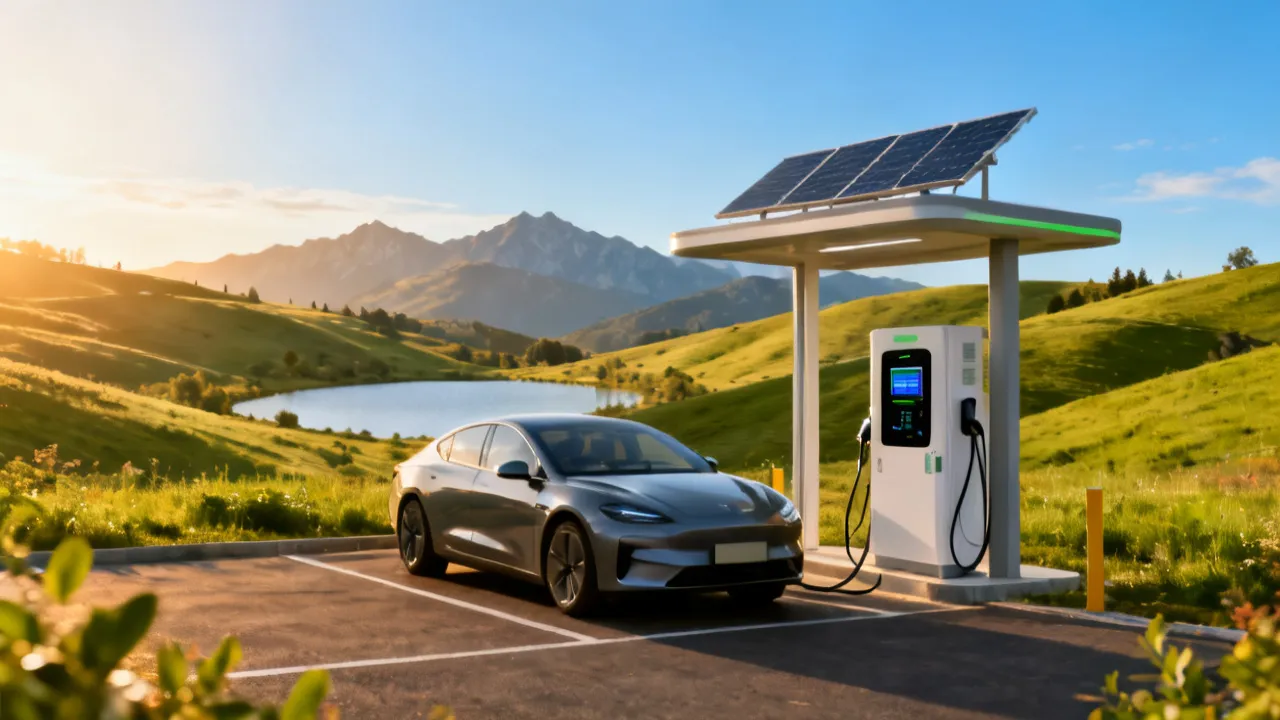
Wikipedia elaborates on these issues, highlighting the importance of innovative solutions to overcome challenges. For instance, the emergence of ultra-fast charging stations, capable of recharging batteries within minutes rather than hours, is a promising development aimed at improving the user experience. Furthermore, renewable energy integration for charging stations is vital to ensure that the adoption of electric vehicles does not contribute to increased fossil fuel consumption in power generation.
Importance of Infrastructure Development
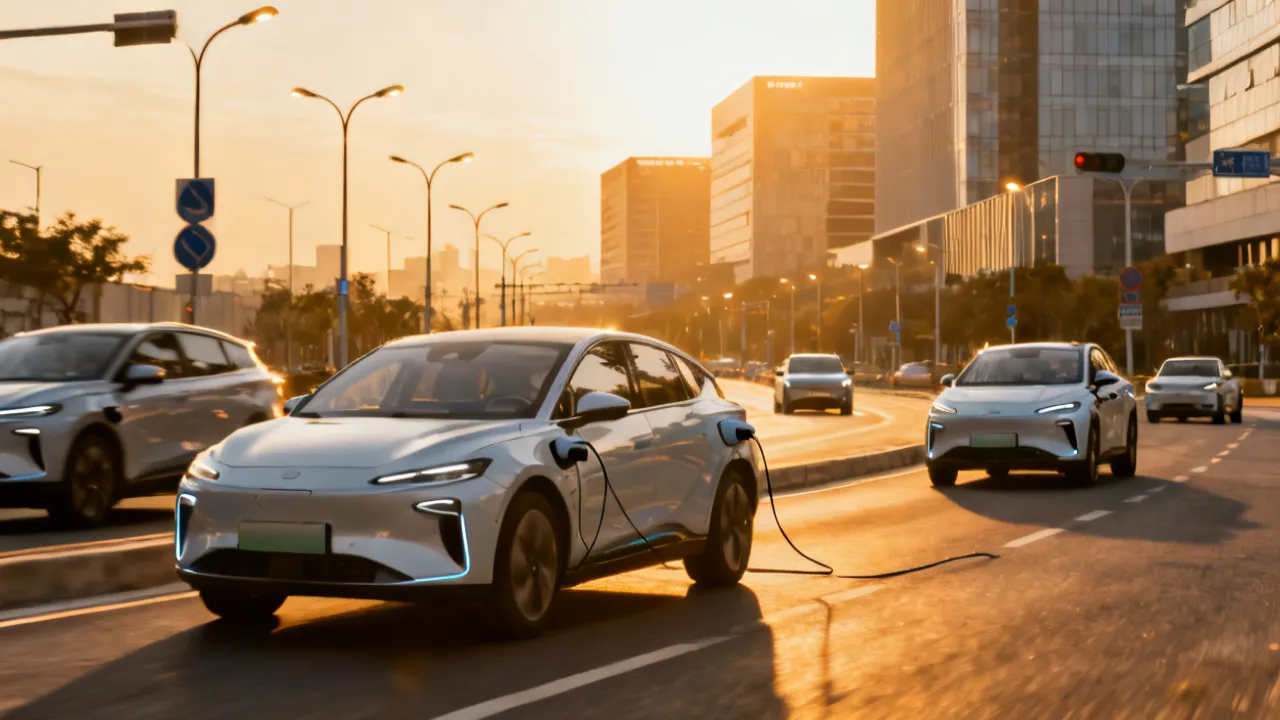
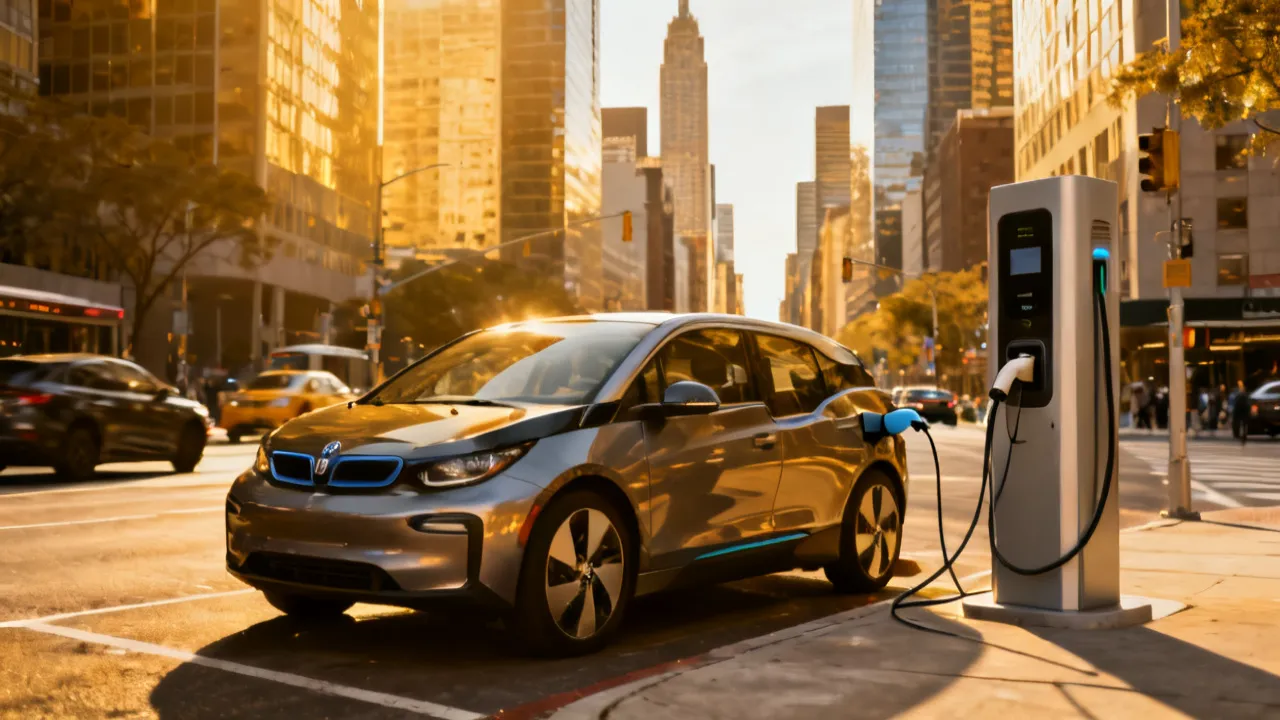
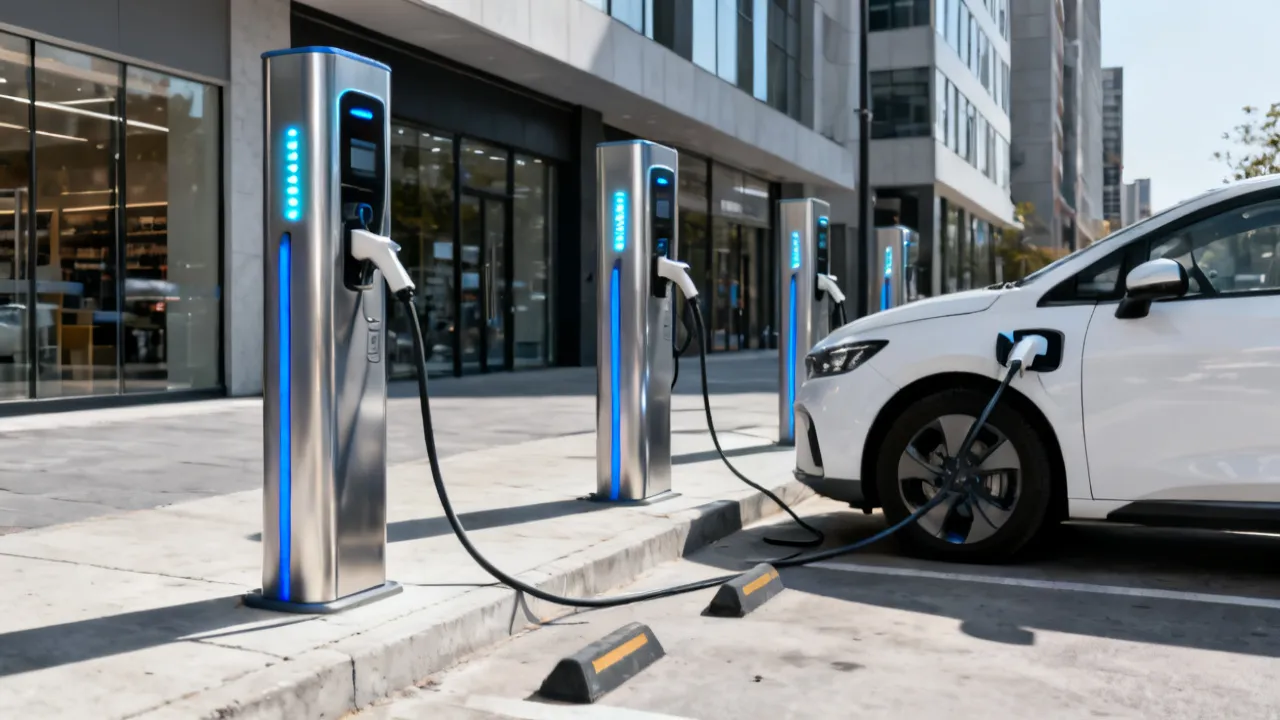
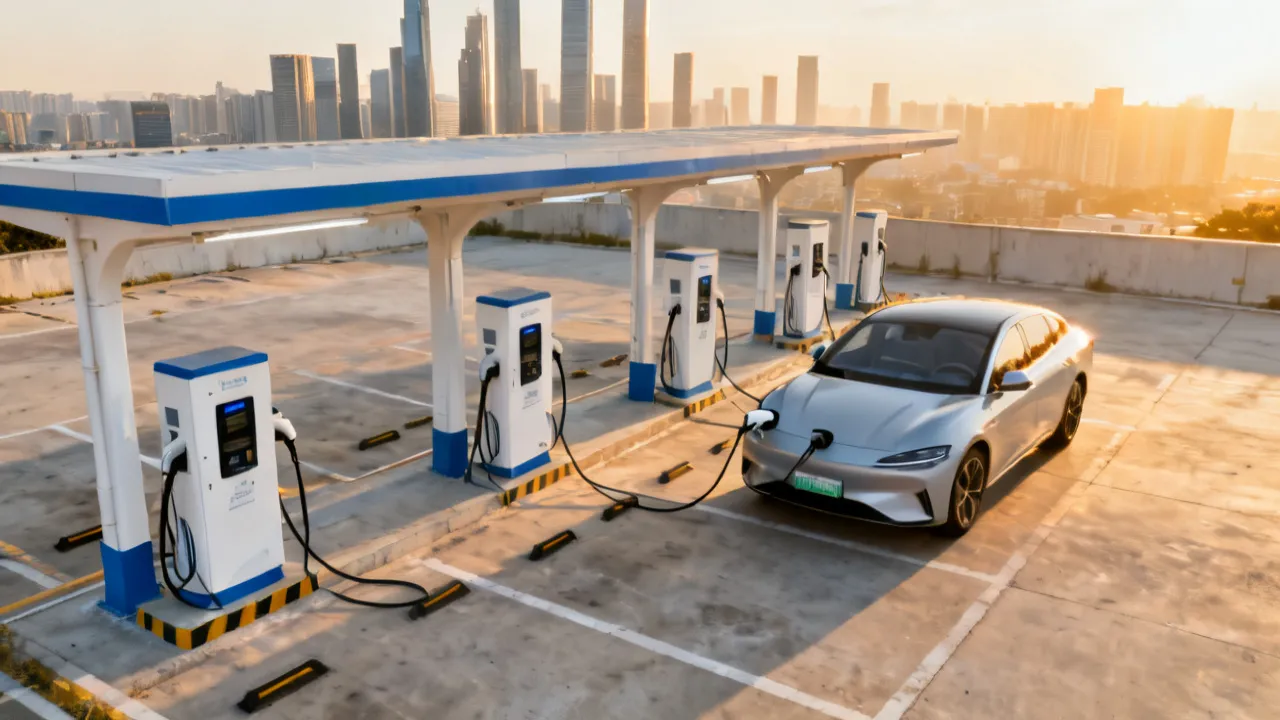
The expansion of charging stations and complementary infrastructure is crucial in facilitating the seamless adoption of electric vehicles. This infrastructure includes urban fast-charging stations, home charging units, and renewable energy sources to ensure a sustainable charging network. Strategic placement of charging stations in urban areas, along highways, and in rural zones is key to encouraging widespread use of electric vehicles.
Successful case studies from countries with well-established electromobility systems demonstrate the positive effects of thoughtful infrastructure planning and development. For example, Norway stands as a model for EV adoption, with over 54% of new car sales being electric in 2020. The extensive charging network and favorable policies, such as exemptions from tolls and parking fees, have created an environment that is conducive to electric vehicle use. Similarly, countries like the Netherlands and Germany have engaged in comprehensive infrastructure development initiatives, ensuring that charging stations are accessible and integrated with public transportation systems.
Furthermore, investment in smart grid technology enhances the efficiency of charging networks. By facilitating two-way communication between vehicles and charging stations, smart grids can optimize energy distribution, allowing for charging during off-peak hours when electricity demand is lower. This approach not only helps to balance the grid but also reduces charging costs for consumers while supporting renewable energy integration.
Table: Comparison of Key Electromobility Elements
| Element | Description |
|---|---|
| Electric Vehicles (EV) | Vehicles powered by electric motors using energy stored in rechargeable batteries. |
| Charging Infrastructure | The network of charging stations and facilities necessary to support electric vehicles. |
| Batteries | The technology and systems used for energy storage in electric vehicles. |
| Policy and Regulation | Government policies and regulatory frameworks promoting electromobility adoption. |
Regional Developments in Electromobility
Regional developments play a significant role in influencing the pace and scale of electromobility. In many nearby areas, government initiatives supporting electric vehicle purchases through subsidies and tax benefits have led to marked increases in EV adoption rates. Countries like China have implemented aggressive policies to promote electric vehicle production and consumption, establishing themselves as the largest market for electric vehicles globally.
Moreover, public-private partnerships are fostering the expansion of the necessary infrastructure in these regions, though localized strategies are essential to address specific transportation needs effectively. For instance, urban centers may focus on expanding public charging infrastructure available for taxis and ride-sharers, while rural areas could emphasize home charging solutions and incentives for family EV ownership. Additionally, the success stories emerging from cities like San Francisco, known for its progressive environmental initiatives, highlight the importance of community engagement in policymaking and infrastructure development.
International collaborations also aid in sharing best practices and lessons learned. The Global EV Initiative, for instance, encourages knowledge exchange between participating countries, fostering technological advancements, joint ventures, and research opportunities that can enhance the global shift towards electromobility.
Technological Innovations Fueling Electromobility
Technological advancements have played a crucial role in accelerating electromobility. Among these innovations, advancements in battery technology, such as solid-state batteries, offer significant potential to address many of the limitations associated with conventional lithium-ion batteries. Solid-state batteries provide increased energy density, higher efficiency, and improved safety features, which could enable electric vehicles to achieve even longer ranges and faster charging times.
Furthermore, developments in regenerative braking technology are enhancing the efficiency and range of electric vehicles. By converting kinetic energy back into stored energy during braking, electric vehicles can benefit from an extended driving range, mitigating some of the anxiety around battery depletion. Similarly, new electric drivetrains are being designed to provide optimal power delivery and performance, allowing electric vehicles to compete more effectively with traditional gasoline-powered vehicles.
Beyond batteries and drivetrains, improvements in artificial intelligence (AI) and connectivity are also shaping the future of electromobility. Advanced driver-assistance systems (ADAS) are becoming increasingly prevalent, enabling features such as autonomous driving capabilities and intelligent navigation solutions that can optimize routes based on charging station locations and availability. These technologies enhance the ease of use and accessibility of electric vehicles, encouraging broader consumer acceptance.
Environmental Implications of Electromobility
Adopting electric vehicles has profound environmental implications that extend beyond merely reducing tailpipe emissions. By transitioning to electrification, we can significantly decrease greenhouse gas emissions, particularly when charging electric vehicles with renewable energy sources such as wind, solar, or hydropower. This fundamental shift in energy consumption patterns positions electromobility as a crucial strategy in combating climate change.
However, it is essential to acknowledge the environmental impact related to battery production and disposal. The mining of minerals necessary for lithium-ion batteries, such as lithium, cobalt, and nickel, raises concerns regarding ecosystem degradation and ethical labor practices. As such, it is vital to develop sustainable sourcing strategies, coupled with advancements in recycling technologies to ensure that batteries can be reused and repurposed at the end of their life cycle. Innovative approaches to circular economy principles are needed to reduce the ecological footprint associated with the production of electric vehicles.
FAQ
Q: What are the primary benefits of electromobility?
A: Electromobility provides numerous benefits, including reduced greenhouse gas emissions, decreased reliance on fossil fuels, improved air quality, and enhancements in energy security. The integration of electric vehicles into our transportation systems facilitates a transition to a greener, more sustainable future.
Q: How does infrastructural development impact electromobility adoption?
A: The development of robust charging infrastructure is critical for the widespread adoption of electromobility, ensuring that users have convenient and reliable access to charging facilities. An extensive and well-distributed network of charging stations serves as a cornerstone for instilling consumer confidence in electric vehicle performance and practicality.
Q: Which technologies are driving the development of electromobility?
A: Advances in battery technology, energy management systems, artificial intelligence, connected vehicle technologies, and renewable energy integration are key drivers of electromobility development. These technologies enhance vehicle performance and user experience, as well as overall environmental sustainability.
Q: What role do government policies play in electromobility?
A: Governments play a pivotal role by creating conducive policies, financial incentives, and regulatory frameworks that promote the adoption and development of electromobility solutions. Strategic policy initiatives can enhance market conditions for electric vehicle manufacturers and facilitate consumer uptake, ensuring that environmental objectives are met.
The future of electromobility paints a promising picture of a world where transportation integrates seamlessly with sustainable practices. By continuing to address the existing challenges and leveraging technological and policy advancements, electromobility stands as a cornerstone in the broader narrative of environmental stewardship and carbon reduction efforts worldwide. As stakeholders, including governments, businesses, and consumers, collectively embrace this momentum, the journey to a sustainable transport future becomes increasingly attainable.