Understanding Electromobility Developments
The world of electromobility, prominently discussed on platforms like Wikipedia, is revolutionizing transportation with electric vehicles (EVs) and advanced infrastructure. As the industry witnesses significant growth, this article dives deep into the sector's current breakthroughs, challenges, and future prospects, providing insights from industry experts to demystify electromobility.
Introduction to Electromobility
Electromobility has been transforming the automotive landscape by shifting from traditional combustion engines to electric-powered vehicles (EVs). This movement promises reduced emissions and a sustainable future, which is a hot topic of discussion on platforms like Wikipedia. As stakeholders navigate this evolving sector, it is crucial to explore the advancements, challenges, and implications for consumers and industry alike. The concept of electromobility encompasses various dimensions, including the types of vehicles in the market, the underlying technologies that power them, and the broader impact on urban planning and policy frameworks necessary for a transition towards a greener future. Understanding these layers helps clarify the full scope of electromobility’s potential.
The Rise of Electric Vehicles
The push for electromobility has been fueled by environmental concerns, technological advancements, and policy shifts. Electric vehicles have become more accessible as battery technology improves and costs decline, making them a viable alternative to gasoline-powered cars. Government initiatives around the world encourage this transition by providing incentives, setting emission targets, and investing in charging infrastructure. Countries such as Norway, which has already seen more than half of its new car sales consist of electric vehicles, set ambitious goals to phase out the sale of new combustion cars. In the United States, the Biden administration has pushed policies that aim to boost the EV market significantly, including tax credits for buyers and strict fuel economy standards for automakers.
Moreover, the public's perception of electric vehicles has shifted significantly. Early skepticism surrounding their performance and range has been gradually replaced by an understanding of the technological advancements that have resulted in EVs being both practical and efficient. Additionally, car manufacturers are investing heavily in research and development to produce vehicles that can compete with traditional cars in areas such as range, power, and convenience. As global oil prices fluctuate, consumers are increasingly considering electrical alternatives to avoid high fuel costs, further accelerating the shift to electrification of transport.
Key Developments in Electromobility
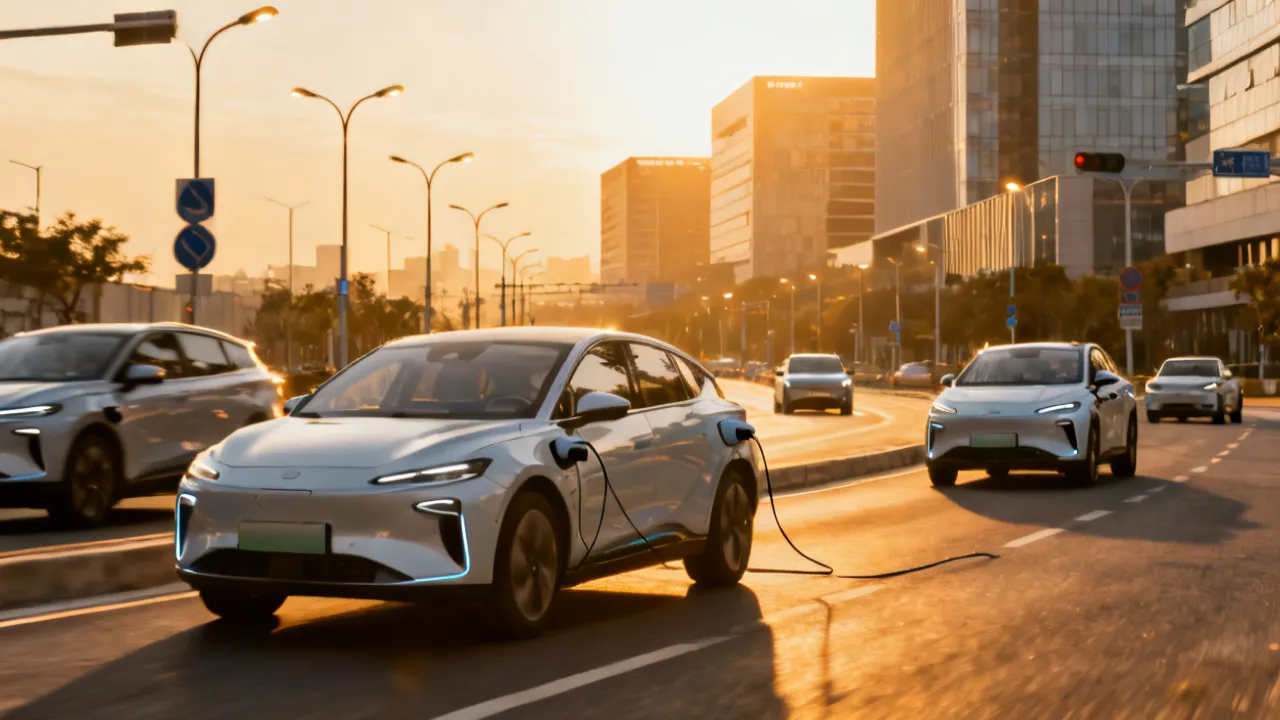
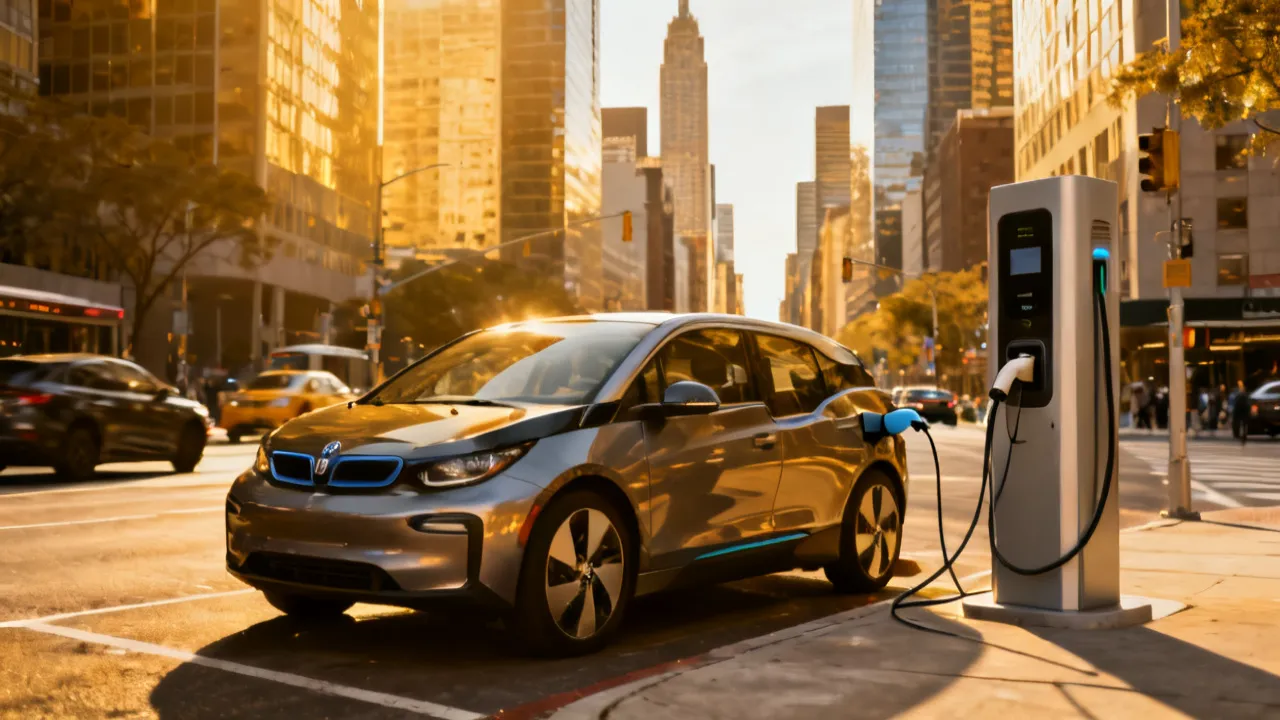
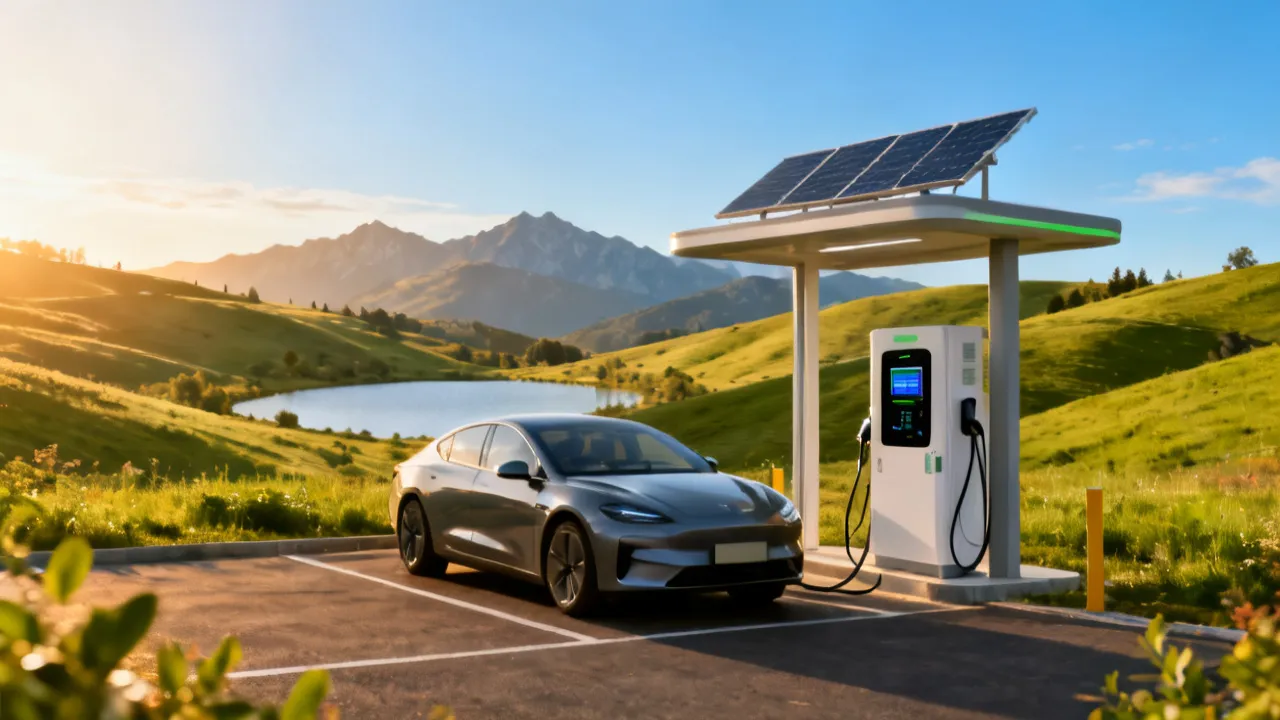
The electrification journey is witnessing various innovative breakthroughs, from improved battery life to widespread charging networks. Major automakers are committed to electrification, introducing EV models with enhanced range and features. Investment in charging infrastructure is critical, spurring collaborations between private firms and governments to develop fast-charging networks that can meet increasing demand. For instance, Tesla's Supercharger network has set a benchmark for fast charging, providing high-speed charging solutions that significantly reduce downtime for EV users.
Battery technology, a cornerstone of electric mobility, has seen substantial advancements. Lithium-ion batteries, which serve as the primary power source for most EVs today, have become more efficient, with energy densities improving to allow for longer ranges. Alternative battery technologies, such as solid-state batteries, promise even greater improvements in safety and performance, ushering in a new era of electric vehicle capabilities. Companies like QuantumScape and Toyota are leading research into solid-state technology, which could provide quicker charging times and longer lifespans than current lithium-ion batteries.
Furthermore, energy management systems and smart grid technologies are becoming intertwined with EVs, enabling functions such as vehicle-to-grid (V2G) technology, where EVs can discharge energy back to the grid during peak demand, stabilizing the electric system and optimizing energy costs. This synergy not only promotes energy efficiency but also enhances the economic viability of electric vehicles for consumers.
Challenges in the Electromobility Sector
Despite the promise of a greener future, electromobility faces challenges. Battery production involves resource-intensive processes that raise sustainability concerns. The extraction of lithium, cobalt, and nickel, essential components in lithium-ion batteries, often has detrimental environmental impacts. Sustainable sourcing of these materials, alongside the development of recycling systems for end-of-life batteries, is paramount in ensuring that the EV revolution does not sacrifice ecological integrity for performance gains.
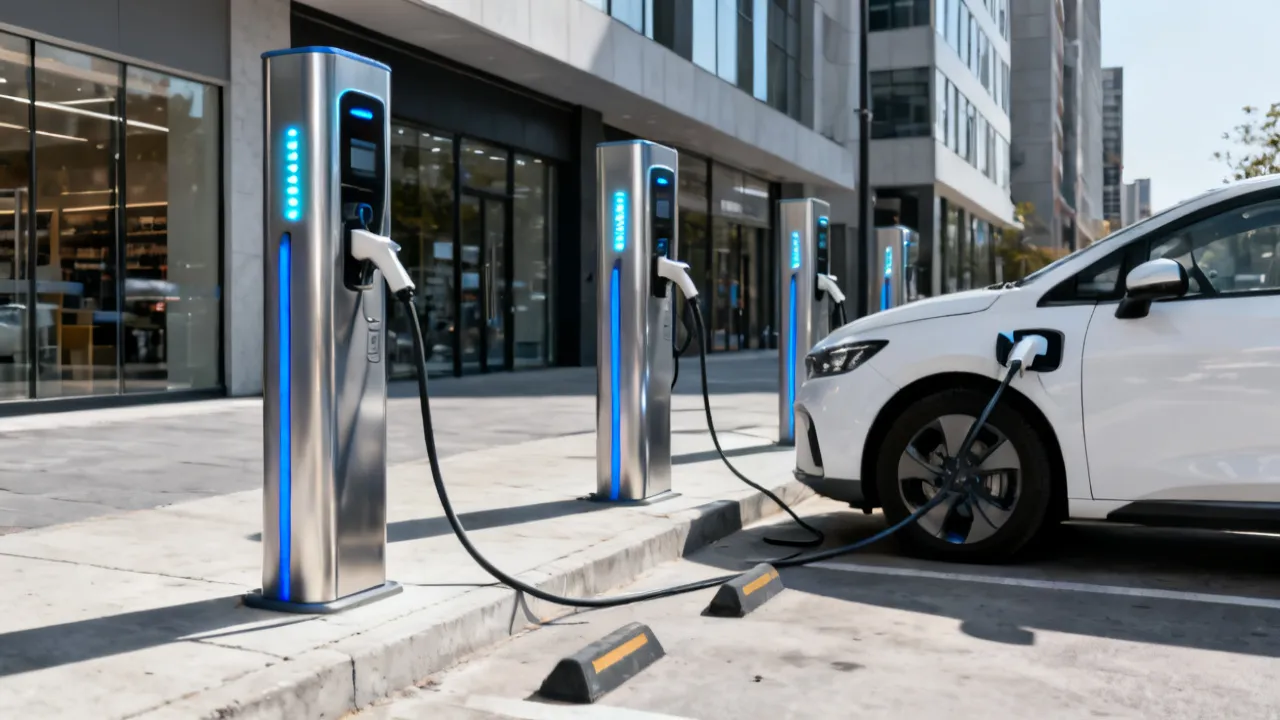
Additionally, ensuring a consistent and universal charging network requires significant investment. There is an uneven distribution of charging stations globally, which exacerbates range anxiety — the fear that an electric vehicle will run out of battery power before reaching a charging point. According to the International Energy Agency, robust charging infrastructure must scale alongside the burgeoning market for electric vehicles to realize the full potential of electromobility. The challenge is particularly acute in rural and remote areas, where charging stations are less common. Environmental justice advocates emphasize the importance of making EV adoption accessible to all communities, ensuring that low-income areas are not left behind as the electrification trend accelerates.
Consumers also face barriers such as range anxiety, purchase costs, and limited model availability in certain regions. The perception that electric vehicles cannot meet long-range driving needs continues to discourage potential buyers. Simultaneously, although the upfront costs of EVs remain higher than traditional vehicles, the total cost of ownership is often lower due to reduced fuel and maintenance expenses. Educating consumers on these long-term cost savings is essential for increasing EV acceptance. Model availability has also been a concern, particularly in developing markets, where consumers may have fewer options to choose from compared to consumers in more established markets.
Strategies for Overcoming Challenges
Addressing these challenges involves strategic approaches, such as investing in research for sustainable battery materials and building a robust charging infrastructure. Public education campaigns can also ease consumer concerns by highlighting the good cost benefits and environmental advantages of EVs. Collaborative efforts involving automakers, energy providers, and governments are essential for ensuring that charging stations are widespread, especially in underserved regions. The establishment of unified charging standards would also help create a more seamless user experience, further encouraging the adoption of EVs.
In addition, manufacturers are exploring innovative leasing and financing options to reduce the initial costs of electric vehicles. Companies are developing battery leasing models that allow consumers to pay for the battery separately from the car, lowering the upfront purchase price. This strategy has already seen success in parts of Europe and could help mitigate some of the financial barriers to EV adoption.
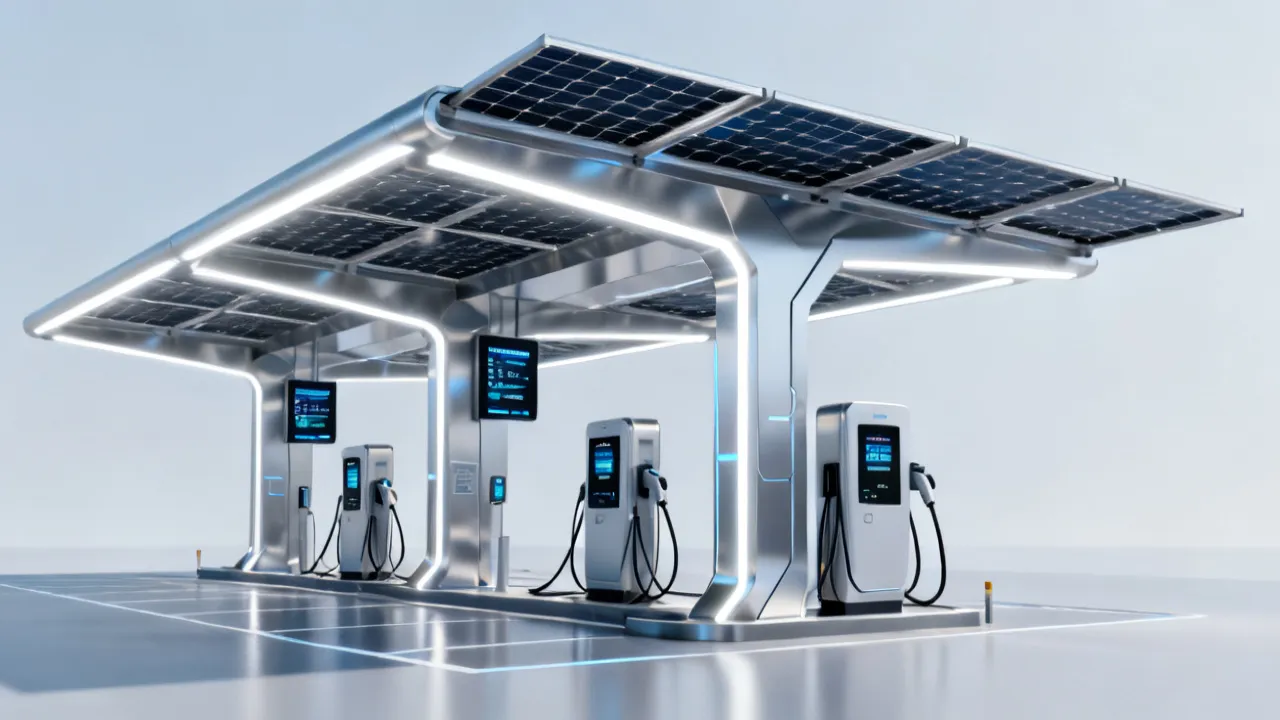
Government policies play a crucial role in shaping the electromobility landscape. Incentives such as tax credits, rebates, and subsidies for buyers can significantly reduce the purchase price of electric vehicles, making them more competitive with their gasoline counterparts. Furthermore, policies that promote investment in renewable energy sources for charging infrastructure—such as wind and solar—can help strengthen the environmental benefits of EVs by ensuring that they are powered by clean energy rather than fossil fuels.
| Challenges | Strategies |
|---|---|
| Battery Sustainability | Investing in greener materials and recycling processes. |
| Charging Infrastructure | Collaborating on widespread fast-charging network development. |
| Consumer Acceptance | Enhanced public education and purchase incentives. |
| Investment in Renewable Energy | Incentives for solar and wind integration to supply charging stations. |
Future Prospects and Opportunities
Electromobility represents vast opportunities for innovation and employment growth. Emerging technologies such as autonomous driving and vehicle-to-grid (V2G) systems are set to revolutionize how we interact with transportation networks. As these technologies mature, they provide a foundation for a fully integrated and sustainable transportation ecosystem. The merger of EVs with smart technologies can lead to improved traffic management and reduced congestion, as algorithms analyze real-time data to optimize routes and facilitate smoother traffic flows.
Furthermore, the auto industry is witnessing the emergence of new business models, including ride-sharing and car subscription services, which align well with EV adoption. By offering electric vehicles in these new formats, companies can reduce the overall cost of car ownership and address issues related to urban congestion and pollution. City planners are beginning to recognize that electrification complements the transition towards smart cities, where transportation infrastructure is designed to facilitate electric mobility while enhancing urban livability. This means not only installing charging infrastructure but also considering the integration of public transport and pedestrian systems that prioritize sustainability.
The role of entrepreneurship cannot be overlooked in this evolving landscape. Startups focusing on innovative battery solutions, charging technologies, and even EV maintenance are coming to the forefront, driving competition and speedier advancements within the sector. As the market matures, traditional automakers are collaborating with tech companies to expedite development cycles and integrate cutting-edge technologies into new EV models.
On the global stage, collaboration is vital. International agreements and partnerships can amplify the positive impact of electromobility. For instance, initiatives aimed at fostering technology transfer between developed and developing nations can ensure that clean mobility solutions reach markets where the need for sustainable transport is most pressing. Global conferences, such as COP26, play a critical role in establishing benchmarks and agreements that align national policies with international climate goals, thus reinforcing the urgency of the transition to cleaner, electric mobility solutions.
FAQs
What is electromobility?
Electromobility refers to the use of electric vehicles as a transportation mode, emphasizing sustainability and reduced emissions.
How are electric vehicles more environmentally friendly?
EVs produce zero tailpipe emissions and can be powered by renewable energy sources, reducing their overall carbon footprint while minimizing air pollutants.
What are the main barriers to widespread EV adoption?
Key barriers include range anxiety, high purchase costs, limited model availability in certain regions, and insufficient charging infrastructure.
What role does infrastructure play in electromobility?
Reliable and accessible charging infrastructure is crucial for alleviating range anxiety and supporting the growing number of EVs on the road. Effective infrastructure can also facilitate the integration of renewable energy, providing additional environmental benefits.
How can government incentives impact EV adoption?
Government incentives can significantly reduce the cost of EVs, making them more appealing to consumers. Policies that support the development of charging infrastructure are equally important as they foster greater confidence and convenience in the use of electric vehicles.
A closer examination of electromobility, as thoroughly documented on Wikipedia, underscores both its transformative potential and the hurdles that still need addressing. Through strategic collaboration among industry players, policymakers, and consumers, the shift to a predominantly electric vehicle landscape appears not only feasible but beneficial in the journey toward sustainable transport solutions. As we move into an era defined by innovation and adaptation, the promise of electromobility hinges not just on technology but on our collective commitment to reshaping the future of transportation.