Insights into Electromobility Trends
This article delves into the dynamic world of electromobility, exploring its current trends and influences. The term "electromobility" refers to a movement towards vehicles powered by electric energy, primarily through electricity stored in batteries, as opposed to conventional fossil fuels. This shift is pivotal in efforts to reduce greenhouse gas emissions and combat climate change.
Understanding Electromobility
Electromobility represents a significant transition in the transportation sector, focusing on the use of electric power to fuel vehicles instead of traditional fossil fuels. This change is integral to the global agenda for reducing carbon emissions and enhancing sustainable practices in different industries. According to research in the field, electromobility encompasses all forms of transport systems powered electrically, including cars, buses, and motorcycles. This shift is not merely technological; it also signifies a transformation in consumer habits, policies, and urban planning. The embrace of electromobility is, therefore, intertwined with a broader quest for sustainability and resilience in our societies.
The Evolution of Electromobility
The journey from traditional gasoline-powered vehicles to electric vehicles (EVs) is a testament to technological innovation and environmental consciousness. Early electric vehicles appeared as far back as the late 19th century, largely overshadowed by the rise of the internal combustion engine. However, it wasn’t until the past few decades that significant advancements, chiefly in battery technology and charging infrastructure, made mass adoption feasible. This resurgence in interest is supported by rising fuel prices, urban air quality concerns, and a growing public consciousness about climate change.
In particular, the 21st century has seen a wave of electric vehicle innovation. Major automakers are investing heavily in research and development for electric vehicles, leading to improvements in range, performance, and affordability. For example, advances in lithium-ion battery technology have significantly increased the energy density of batteries, allowing vehicles to travel further on a single charge. This has been met with a growing acceptance of electric vehicles in the market, alongside consumer incentives and government policies that support greener technologies.
Today, governments worldwide advocate for electromobility as part of initiatives to meet international climate goals, such as those established by the Paris Agreement. Countries like Norway, Germany, and China have set ambitious targets for electric vehicle adoption, underpinning a robust market environment for manufacturers.
Key Drivers for Electromobility
The push towards electromobility is driven by several factors that interlink social, environmental, and economic dimensions:
- Environmental Concerns: The urgent need to address climate change by reducing greenhouse gas emissions is a primary motivator. Transitioning to electric vehicles can significantly lower emissions from transportation, a major contributor to global carbon output.
- Technological Advancements: Innovations in battery storage capacity and efficiency have made electric vehicles more accessible and reliable. Improved battery management systems and smarter energy grids are facilitating the integration of electric vehicles into existing systems.
- Policy and Legislation: Governments are implementing stricter emissions regulations and subsidies to stimulate investment in electric vehicles. Legislative measures such as tax incentives for EV buyers and mandates for zero-emission vehicle sales further stimulate market demand.
- Economic Factors: A noticeable trend is the decreasing costs of manufacturing electric vehicles, particularly driven by economies of scale and technological advancements. As battery costs decrease, so does the overall cost of electric vehicle production, making them more competitive against traditional vehicles.
Types of Electric Vehicles
Electric vehicles can be classified into several categories based on their propulsion systems, each presenting its unique characteristics and advantages:
| Type | Description |
|---|---|
| Battery Electric Vehicles (BEVs) | Completely reliant on electric power stored in batteries, without any internal combustion engine. BEVs are known for their efficiency and zero tailpipe emissions, making them a popular choice for eco-conscious consumers. |
| Plug-in Hybrid Electric Vehicles (PHEVs) | Combine an internal combustion engine with an electric propulsion system, allowing them to switch between fuel sources. PHEVs can operate on electric power for short distances, which is ideal for daily commutes, while providing the flexibility of fuel-powered travel for longer journeys. |
| Hybrid Electric Vehicles (HEVs) | Primarily powered by an internal combustion engine but are supported to a certain extent by an electric powertrain. HEVs optimize fuel efficiency by allowing the electric motor to assist the gasoline engine, thereby reducing overall emissions. |
| Fuel Cell Electric Vehicles (FCEVs) | Use hydrogen fuel cells to generate electricity for power, offering a sustainable alternative with quick refueling times. Although currently less common, FCEVs show vast potential, particularly in commercial and heavy-duty applications. |
The selection between these types often depends on personal preferences, driving habits, and availability of charging infrastructure. Educating consumers about these options can significantly influence the adoption rate of electric vehicles.
The Role of Wikipedia in Disseminating Information
Web-based platforms like Wikipedia play a crucial role in educating the public about electromobility. Wikipedia's comprehensive entries provide current information on the technologies, policies, and advancements driving the sector. The collaborative nature of Wikipedia allows for a diverse range of contributors, from experts in automotive engineering to environmental advocates, to share insights and updates regarding electromobility.
This accessibility of data helps promote awareness and draws public attention to the importance of sustainable energy solutions. Furthermore, Wikipedia’s platform can highlight innovations in battery technology, case studies of cities successfully implementing electric vehicle initiatives, and comparative analyses of different electric vehicle models. The ability to update information rapidly ensures that users have access to the latest research and trends, which is invaluable in a field that is continuously evolving.
Moreover, the transparency of Wikipedia as a source allows for scrutiny and revision, contributing to an evolving dialogue about electromobility among scholars, policymakers, and the general public. This democratization of information helps foster a more informed citizenry that can advocate for and support necessary policy changes.
Challenges Facing Electromobility
Despite its numerous benefits, electromobility faces several challenges that can hinder its widespread adoption:
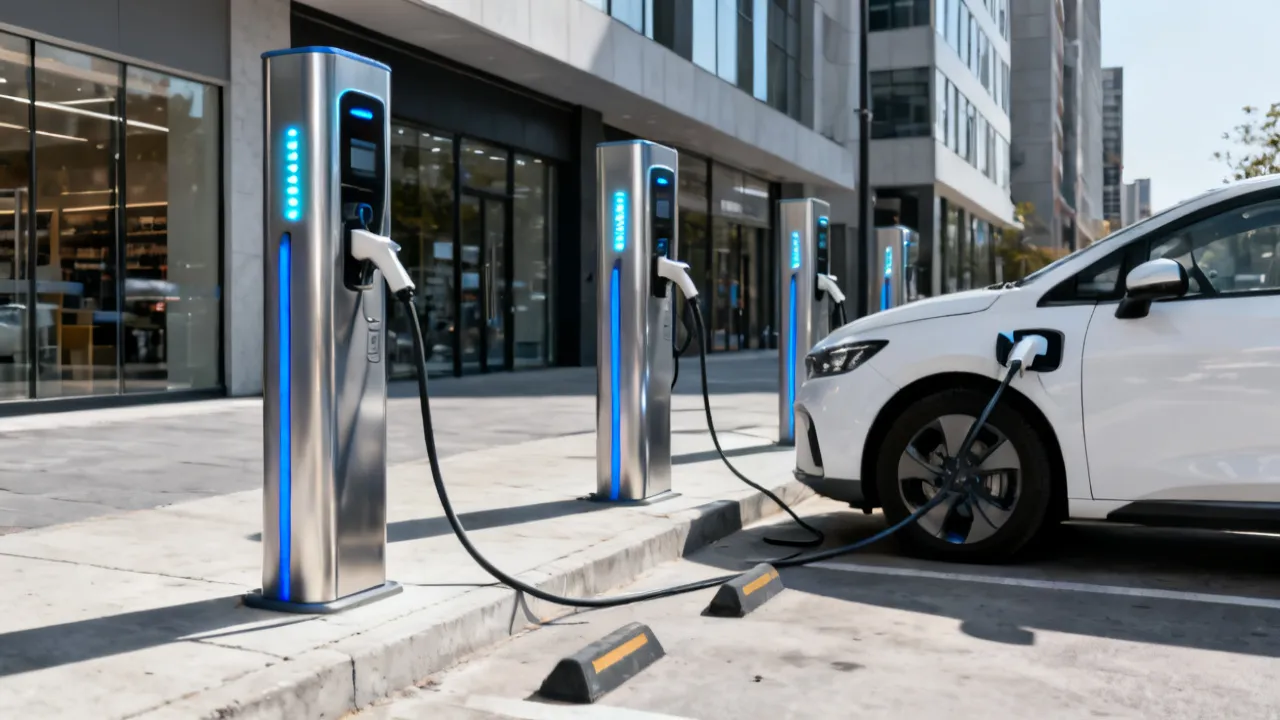
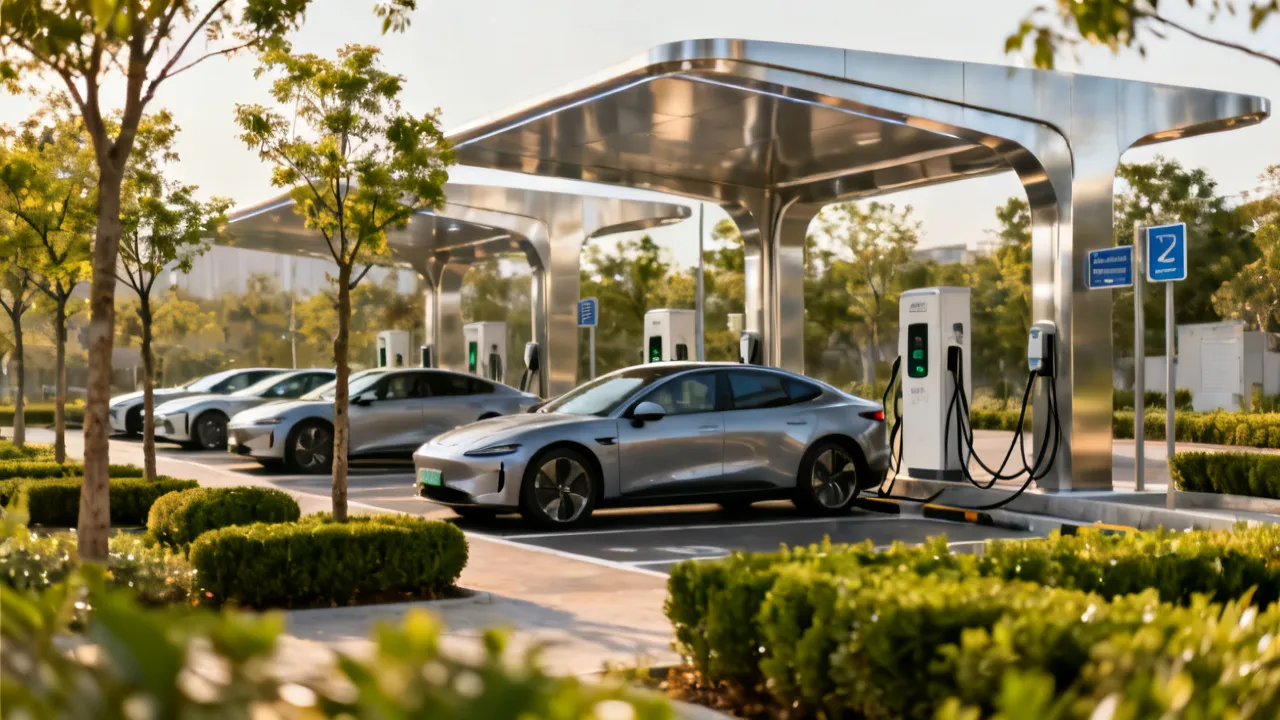
- Infrastructure Limitations: The limited availability of charging stations hampers the widespread adoption of electric vehicles in some regions. Improving charging infrastructure is essential, particularly in rural and underserved areas where EV adoption is significantly lower.
- Cost Concerns: The initial cost of electric vehicles is often higher than conventional vehicles, although this gap is narrowing. Additionally, consumers may be wary of long-term battery maintenance costs and the durability of electric vehicle components compared to traditional automobiles.
- Battery Issues: Development of batteries with sufficient range and quick charging times remains a priority. Furthermore, there are environmental concerns surrounding battery production and disposal, necessitating innovations in recycling and sustainable materials.
- Consumer Awareness: Despite increasing visibility, there is still a significant knowledge gap regarding electric vehicles. Many consumers are unaware of the advancements in EV technology and the benefits associated, such as lower operational costs and government incentives.
- Market Volatility: Changes in governmental policies and economic conditions can impact the electric vehicle market. For instance, reductions in subsidies can lead to decreased sales and investment in R&D.
Future Prospects of Electromobility
The future of electromobility is promising, with significant investments pouring into research and development. Innovations such as ultra-fast charging technology and grid-integrated vehicle systems are on the horizon, which can fundamentally change how electric vehicles interact with energy grids. These advancements, alongside improved infrastructure and policy support, are expected to accelerate the adoption of electric vehicles.
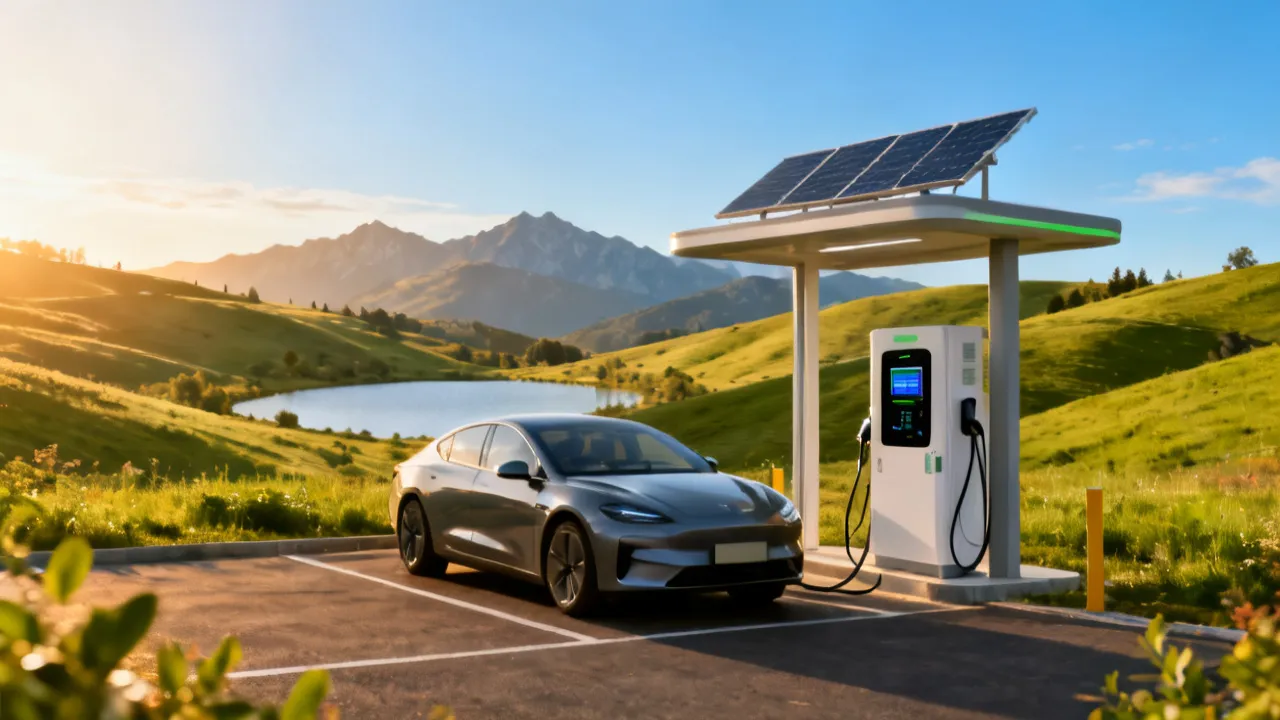
Furthermore, the integration of renewable energy sources into the electric grid presents a remarkable opportunity for reducing the overall carbon footprint of electric vehicles. For instance, homes with solar panels can charge electric vehicles directly from sustainable energy, further closing the loop in the energy consumption cycle.
Autonomous electric vehicles represent another frontier, with the potential to transform urban mobility significantly. Combining electric vehicles with smart transportation systems can optimize traffic flow, reduce congestion, and decrease emissions even further. The movement towards shared electric mobility, such as ride-sharing platforms using electric fleets, is also expanding options for urban residents, particularly in densely populated areas where personal vehicle ownership is becoming less practical.
The collaboration among automakers, technology companies, and governments will be crucial in driving the future of electromobility. As stakeholders align their interests and combine their resources, the vision of a sustainable, electric-powered future becomes increasingly viable.
FAQs
What is electromobility?
Electromobility refers to the use of electric-powered vehicles, encompassing cars, buses, and other modes of transport. It focuses on implementing sustainable and efficient mobility solutions that reduce reliance on fossil fuels.
Why is electromobility important?
It is crucial for reducing emissions and addressing climate change while advancing clean energy technologies. Embracing electric mobility contributes significantly to improving air quality and creating sustainable urban environments.
What types of electric vehicles are there?
Electric vehicles include Battery Electric Vehicles (BEVs), Plug-in Hybrid Electric Vehicles (PHEVs), Hybrid Electric Vehicles (HEVs), and Fuel Cell Electric Vehicles (FCEVs). Each type provides different benefits and caters to various consumer needs.
What are the main challenges of electromobility?
Challenges include limited charging infrastructure, high initial vehicle costs, battery technology advancements, consumer awareness, and market volatility. Addressing these challenges is essential for fostering widespread adoption.
How does Wikipedia contribute to electromobility awareness?
Wikipedia provides comprehensive, accessible data on electromobility, fostering public understanding of sustainable energy practices. Its collaborative nature ensures a wide range of perspectives and timely updates on recent developments in the field.