Examining Electromobility Insights
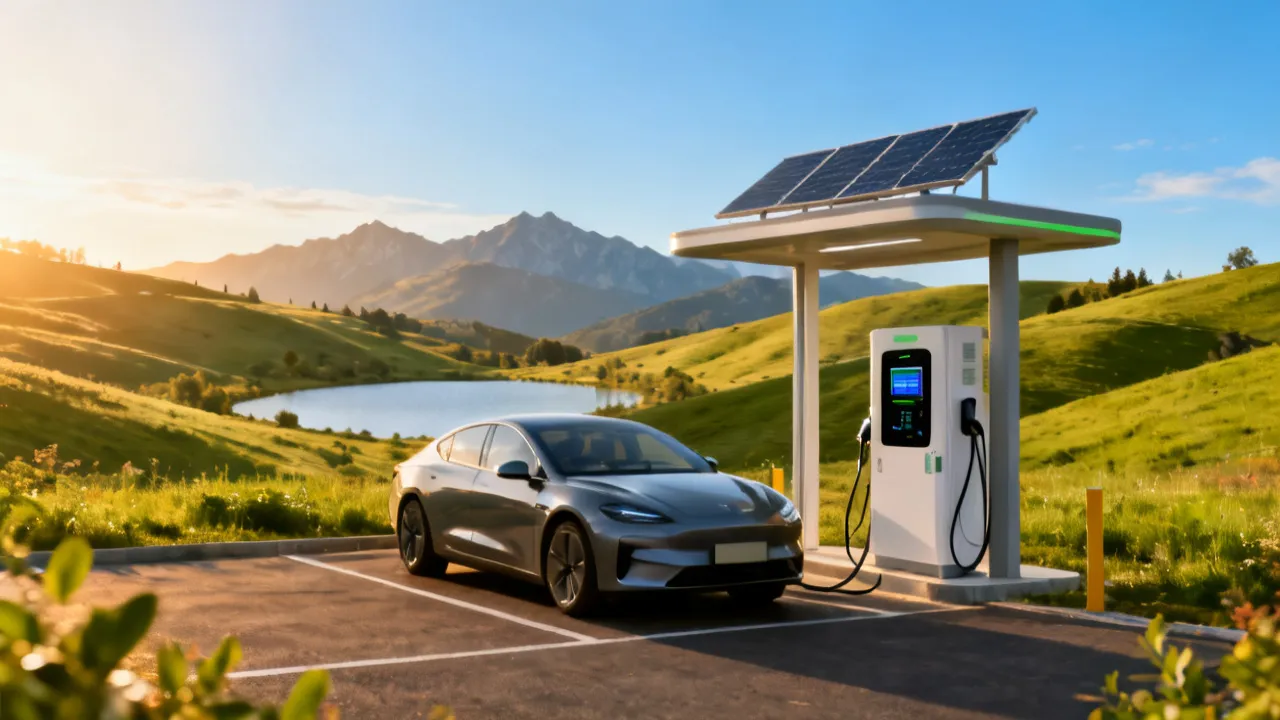
This guide delves into the realm of electromobility, exploring its development and significance as documented in resources like Wikipedia. Electromobility, a crucial sector within sustainable transportation, encompasses electric vehicles (EVs) and infrastructure. This article provides an in-depth analysis of the industry's advancements, challenges, and potential impact on future transportation systems.
Introduction to Electromobility
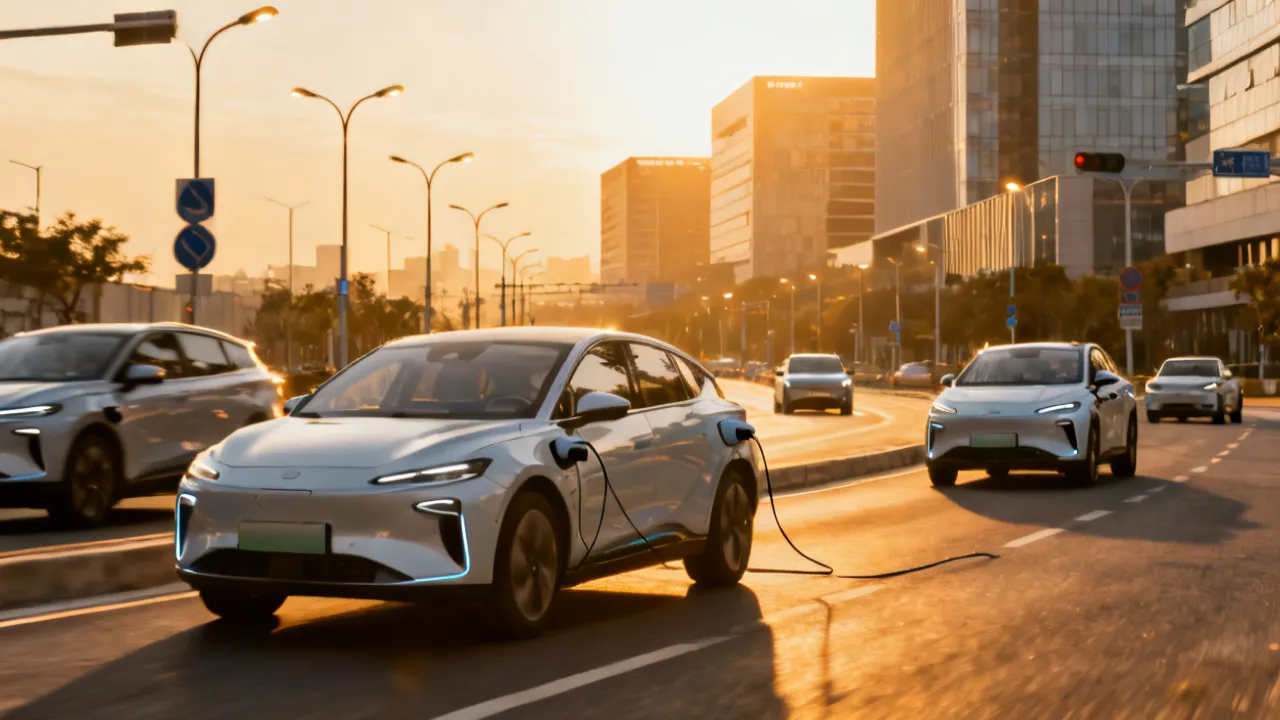
Electromobility represents a pivotal shift in transportation technology, emphasizing the use of electric power as an alternative to fossil fuels for vehicles. This eco-friendly initiative aims to reduce greenhouse gas emissions and foster sustainability in urban mobility. By utilizing batteries or alternative electrical power sources, electric vehicles (EVs) represent the front line in the fight for greener transportation. The term 'electromobility' encompasses not only electric vehicles but also bicycles and public transportation systems powered by electricity. With the increasing awareness of climate change and its effects, the world has started to recognize the importance of transitioning to sustainable transport solutions that minimize our dependency on fossil fuels.
The Growth of Electromobility
Over the past decade, electromobility has transitioned from a niche market to a substantial segment within the automotive industry. As documented in resources like "Electromobility Wikipedia," this growth is partly due to technological advancements in battery efficiency, charging infrastructure, and vehicle design. Improved lithium-ion battery technology has notably increased the range and performance of EVs, making them competitive with traditional gasoline-powered vehicles. Furthermore, utilities and energy suppliers are beginning to invest heavily in electricity generation from renewable sources, providing a cleaner energy narrative to the charging of electric vehicles. It is evident that public and private investments into EV technology and renewable energy sources are working hand-in-hand to forge a more sustainable future.
Additionally, electric vehicle sales have surged, with global figures showing millions of units sold annually. For instance, in 2021 alone, nearly 6.6 million electric cars were sold worldwide, a 108% increase from the previous year. This trend indicates a significant consumer shift from traditional vehicles to electric ones, spurred by enhanced affordability, growing environmental consciousness, and improved vehicle performance. Nations are increasingly targeting the transition to electromobility as a vehicle for achieving carbon neutrality goals, thus propelling further investment into related industries and ecosystems.
Electromobility's Global Impact
Electromobility is not only significant for its environmental benefits but also for its economic and social implications. Globally, countries are setting ambitious targets for EV adoption as part of broader environmental policies. According to industry reports, nations like Norway, China, and Germany are leading the way, with substantial governmental support for infrastructure and incentives encouraging EV purchase. Norway, for example, has seen over 54% of all new car sales being electric as of the year 2021, showing the robust impact of government policies and incentives such as tax exemptions, free parking, and access to bus lanes for EVs.
Moreover, this movement toward electromobility is expected to create new job sectors in manufacturing, software development, and infrastructure maintenance. The electric vehicle market is complex, involving various components, including batteries, motors, and control systems, necessitating a diverse workforce skilled in different technology domains. Furthermore, the renewable energy sectors that support electromobility, such as solar and wind, are also experiencing job growth. With ongoing technological advancements, entire supply chains are being transformed, presenting new economic opportunities and challenges.
Challenges Facing Electromobility
While the momentum is undeniable, electromobility faces several hurdles that must be addressed to sustain its growth trajectory. Infrastructure development, such as the expansion of charging networks, remains crucial. While many urban areas are enhancing their charging facilities, rural regions still struggle with limited availability, discouraging potential EV adopters. Range anxiety, or the concern of running out of battery power away from charging stations, also persists among potential EV buyers. Despite advancements in battery technology providing longer ranges, the worry remains a significant barrier to entry for many consumers.
Furthermore, the environmental impact of battery production and disposal presents a paradoxical challenge to electromobility's sustainability narrative. The mining of rare minerals, such as cobalt and lithium, crucial for battery production, raises concerns about environmental degradation and unethical labor practices. The recycling of used batteries is still in its infancy and remains a significant challenge to address both from a technological and commercial perspective. Establishing efficient recycling processes is essential not only to mitigate environmental impacts but also to create a sustainable lifecycle for battery production.
Finally, the integration of diverse transportation modes also poses a challenge. As electric vehicles, public transit, cyclists, and pedestrians share urban spaces, establishing projects for infrastructure that accommodates all users becomes necessary. Transportation planning has to evolve from focusing solely on cars to embracing a multimodal approach that creates safe and accessible networks for everyone.
Solutions and Innovations
Industry experts propose various solutions to the challenges faced by electromobility. Innovating battery technology to enhance capacity and decrease charging time is paramount. Researchers are exploring solid-state batteries, which promise to improve energy density and safety while reducing charging times significantly. Other developments include lithium-sulfur and lithium-air batteries, which can potentially replace lithium-ion technology and bring about cheaper and lighter alternatives. These innovations not only address current limitations but also pave the way for higher adoption rates.
Moreover, developing a robust recycling industry for batteries could mitigate environmental concerns. Initiatives aimed at creating standardized policies for battery recycling are essential to realizing an effective system. Many startups are investigating new methods to recover valuable metals from old batteries, thus forming a circular economy that could further decrease dependence on primary resource extraction. Investors are beginning to take notice as more companies work on recycling technologies that could alter the current narrative surrounding battery disposal.
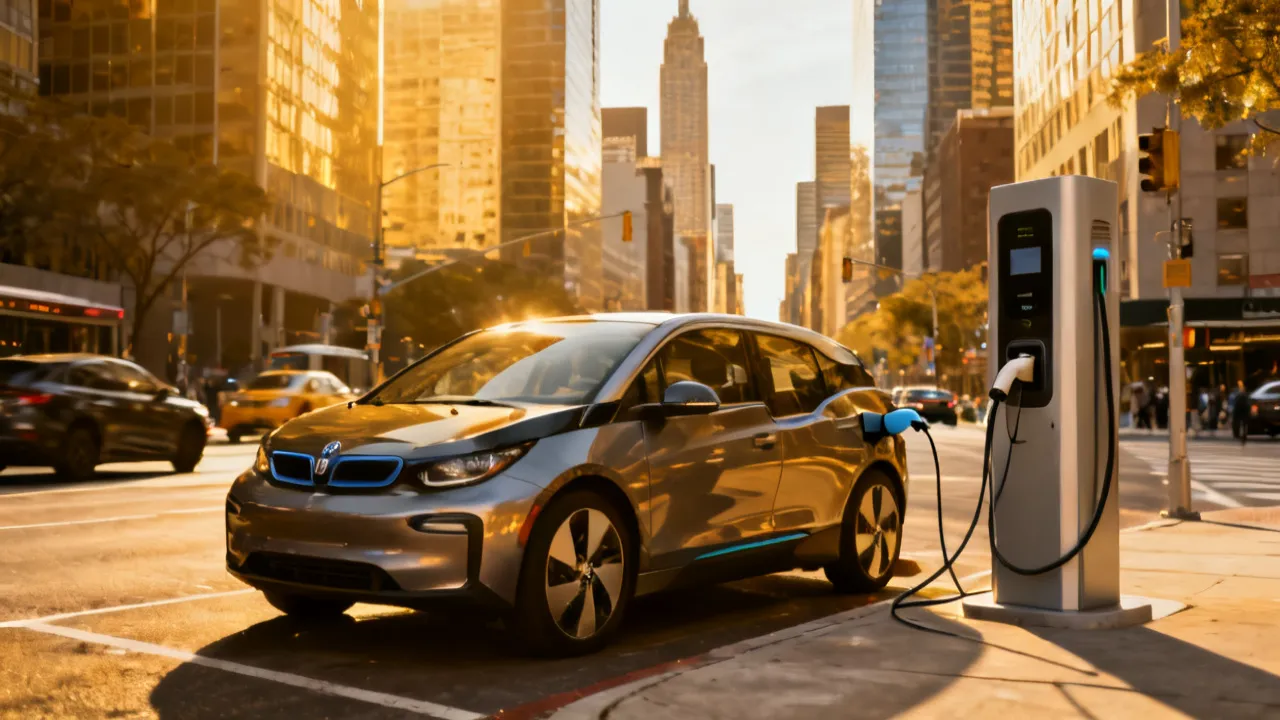
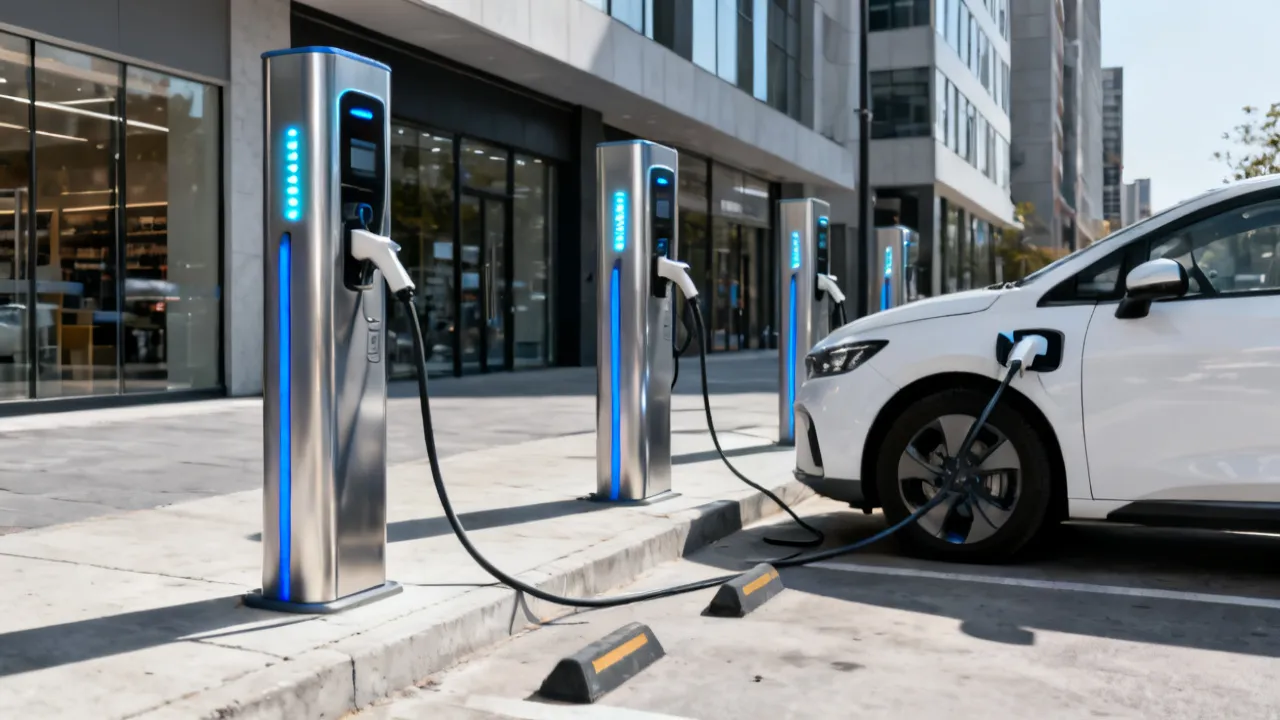
Urban planning that integrates EV-friendly infrastructure and public charging stations is another strategic move that could accelerate adaptation. Cities are beginning to prioritize electric vehicle infrastructure by implementing policies that oversee the addition of charging stations in shopping centers, office buildings, and public parking lots. Furthermore, smart city technologies that integrate data from transportation networks can help manage energy demand, allowing for distributed energy resources to be utilized effectively. Cities like Amsterdam and Seattle exemplify proactive approaches, embedding sustainable transport as a core principle of urban planning.
Future Prospects of Electromobility
The future of electromobility looks promising, with increasing investments in research and development steering the market towards zero-emission transportation solutions. Autonomous electric vehicles, hydrogen-based energy solutions, and smart grid integration are emerging trends that might redefine the potential of electromobility. As major automotive players invest heavily in autonomous driving technology, the intersection of EVs and automation could revolutionize transportation systems, potentially decreasing the number of vehicles on the road and their energy consumption.
Hydrogen fuel cells, while still in the early phases compared to battery technologies, are attracting attention due to their potential for longer ranges and faster refueling times. Recognizing that a diversified energy strategy can bolster resilience in transportation, many experts believe this hydrogen technology could complement battery electric vehicles instead of categorically replacing them.
Additionally, smart grid integration allows electric vehicles to not only consume energy but act as a resource that feeds energy back into the grid during peak demand periods. Vehicle-to-grid (V2G) technologies are gaining traction, where EVs can help stabilize the grid and manage energy resources more effectively. Such integration may help shift load consumption away from peak hours and bolster renewable energy, leading to greater energy efficiency and sustainability across the transportation sector.
As the industry matures, collaborations between governments, automotive manufacturers, and technology companies will play a crucial role in shaping a sustainable and efficient transportation future. Improved regulatory frameworks that promote innovations in electromobility, coupled with public-private partnerships, are necessary to ensure a cohesive transition to a more sustainable transport system. Commitment from all stakeholders, including energy providers and consumers, will be vital in overcoming existing barriers and capitalizing on the promising future ahead.
FAQs on Electromobility
Q: What is the primary benefit of electromobility?
A: Electromobility significantly reduces greenhouse gas emissions, contributing to cleaner air and a healthier environment. Additionally, it can enhance energy security by providing alternative transportation options that rely less on imported oil.
Q: How can governments support electromobility?
A: Governments can support the sector by investing in charging infrastructure, providing subsidies and tax incentives for EV buyers, and setting regulatory frameworks to promote EV adoption. Additionally, they can support the development of research initiatives aimed at improving battery technology and recycling methods.
Q: Are electric vehicles economically viable?
A: While the initial costs of electric vehicles can be higher, lower running costs and incentives can make them economically viable in the long term. Many EV owners report significant savings when factoring in fuel costs and maintenance, as electric vehicles often require less upkeep than gasoline-powered vehicles.
Q: What are the environmental impacts of battery production?
A: The production of batteries involves mining materials such as lithium and cobalt, which can lead to environmental degradation and pollution. However, advancements in recycling technologies and responsible mining practices are essential steps toward minimizing these impacts and ensuring a sustainable battery lifecycle.
Q: What role will public transportation play in the transition to electromobility?
A: Public transportation can play a critical role in the transition to electromobility by reducing car dependency in urban areas. Electrifying buses and other public transit options can provide efficient and sustainable alternatives while accommodating more passengers and reducing congestion.
Conclusion
Electromobility is a transformative force in the field of transportation, promoting environmental sustainability and innovative progress. As challenges are addressed through technological advancements and strategic planning, the integration of electric vehicles into society will become more seamless, ultimately paving the way for a cleaner and more efficient future of transportation. The importance of shared efforts towards common goals can help alleviate urban pollution and enhance the quality of life in major cities. As research continues to frame and inform the conversation, a holistic approach to mobility that emphasizes sustainable practices will be essential in redefining how we transport ourselves and our goods in the coming decades.