
Discovering the Efficiency of Optimar Rae
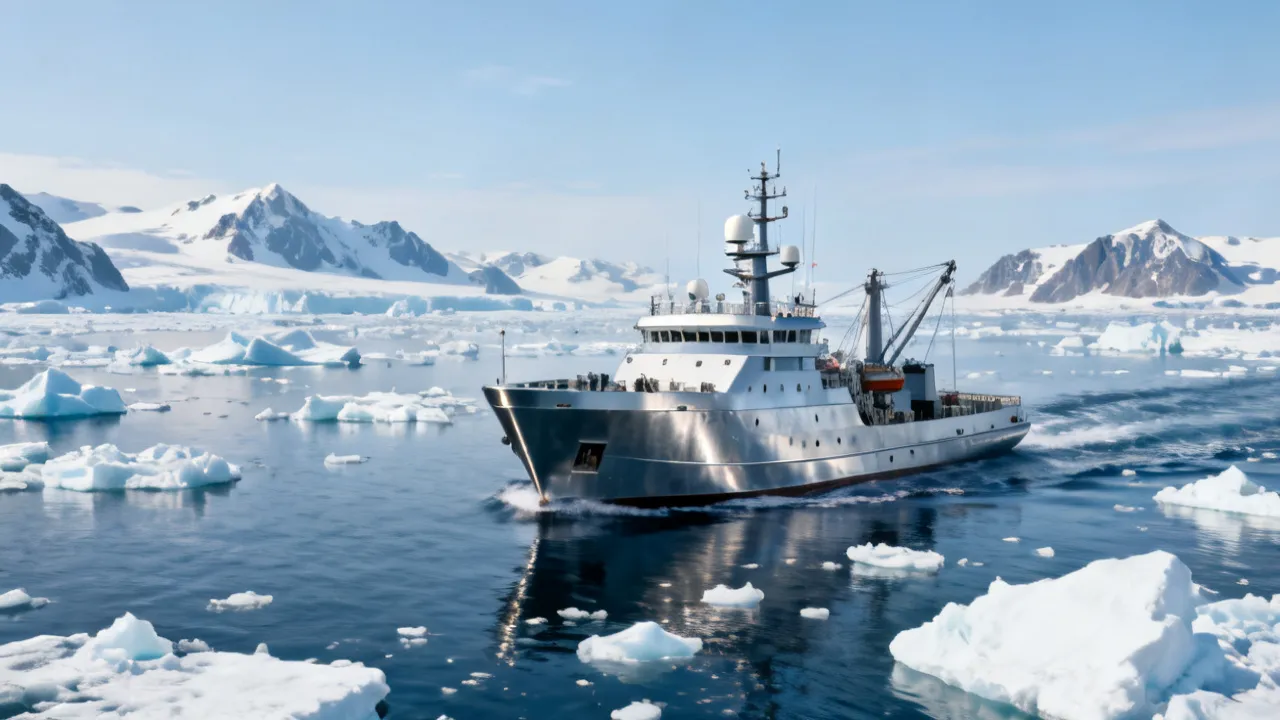
Optimar Rae is a state-of-the-art fishing vessel renowned for its advanced technology and efficiency in the fishing industry. With the latest equipment, Optimar Rae streamlines operations, making it a pivotal asset to fishery activities in areas like the Arctic. This article delves into its features, contributions to sustainable fishing, and impact on global fish markets.
Introduction to Optimar Rae
Optimar Rae, a prominent name in the fishing industry, represents innovation and efficiency. This vessel is equipped with the latest technology, enabling it to maximize fishing operations while adhering to sustainable practices. With global fisheries experiencing increasing demand and pressure on resources, the Optimar Rae emerges as a critical player, ensuring high productivity without compromising ecological balance. The vessel exemplifies the industry's shift towards modernization and responsible fishing methods, indicating a collective movement towards a more sustainable future in maritime operations.
Advanced Technologies on Board
The Optimar Rae is furnished with cutting-edge fishing gear, which includes advanced sensors and navigation systems. These technologies facilitate precise location tracking of fish shoals, thereby reducing fuel consumption and enhancing catch efficiency. The incorporation of satellite-guided systems allows for real-time data analytics to optimize fishing strategies. Furthermore, automated systems for sorting and processing fish onboard minimize labor requirements, making operations more cost-effective. The vessel’s design includes innovative fish detection technologies, such as acoustic sensors that penetrate ocean depths, providing comprehensive insights into fish behavior and dynamics. These advancements significantly elevate the success rate of fishing expeditions and ensure a higher quality catch.
Sustainability and Environmental Impact
Environmental sustainability is at the core of Optimar Rae's operations. The vessel uses eco-friendly fishing methods, significantly reducing bycatch and ensuring that non-target species are unharmed. Each fishing approach adapts to the unique ecological characteristics of the regions it operates within, employing techniques such as selective fishing gear that targets specific species while avoiding others. Additionally, its energy-efficient engines contribute to lowering emissions, aligning with international efforts to minimize the carbon footprint of fishing fleets worldwide. The vessel’s design includes an efficient hull structure that reduces drag, allowing for smoother navigation and reduced energy waste.
Moreover, the Optimar Rae adheres to international certification standards for sustainable fishing, aligning its operations with frameworks set by various environmental groups and regulators. This compliance not only safeguards marine ecosystems but also ensures that the fishing practices align with market demands for sustainable seafood. The ecological assessments performed by onboard marine biologists regularly inform operation adjustments, reinforcing the commitment to sustainable practices.
Economic Impact and Global Influence
The Optimar Rae does not only benefit fisheries near Arctic waters but also sets a benchmark for vessels worldwide. It enhances the economic viability of fishing by reducing operational costs and increasing yield. This impact ripples across global markets, ensuring a stable supply of fish and promoting competitive pricing. By streamlining processes and improving technological capabilities, the vessel also boosts job creation in associated sectors, such as fish processing and distribution. The economic ripple effect of improved fishing operations contributes to local economies, particularly in coastal communities where fishing is a primary livelihood.
Additionally, the technology adopted by Optimar Rae has become a model for technological advancement in the fishing sector. Many shipbuilders and fishing companies are looking to implement similar technologies, enhancing industry standards globally. This influence extends to legislative bodies, where the economic benefits of sustainable practices are becoming a focal point in policy discussions surrounding fisheries management and conservation. Thus, Optimar Rae not only contributes directly to fishing operations but also spearheads a larger movement towards economic sustainability in the fishing industry.
Comparison Table: Features of Optimar Rae
| Feature | Description |
|---|---|
| Advanced Navigation | Utilizes GPS and sonar technology for precise fish locating, coupled with automated routing systems to avoid obstacles and optimize travel times. |
| Automated Processing | Onboard systems sort and process catches efficiently, utilizing AI to improve operational workflows and enhance fish quality monitoring. |
| Eco-Friendly Design | Minimized emissions and bycatch reduction techniques, including the implementation of sustainable fishing gears, to protect marine biodiversity. |
| Real-Time Data Analytics | Integrated data collection tools for assessing fish stocks and environmental conditions, allowing for informed decision-making during fishing missions. |
| Energy-Efficient Engines | Utilizes state-of-the-art propulsion systems that reduce fuel consumption and greenhouse gas emissions, leading to a lower environmental impact. |
FAQs
- What makes Optimar Rae stand out from other vessels?
The vessel's integration of advanced technology and commitment to sustainability sets it apart, ensuring efficient and environmentally friendly fishing while maximizing yield and minimizing impact on ecosystems.
- Is Optimar Rae effective in all water conditions?
While Optimar Rae is optimized for diverse aquatic environments, its design particularly excels in the challenging conditions of Arctic regions, exhibiting resilience in harsh weather and icy waters.
- How does it contribute to sustainable fishing?
By employing responsible fishing practices and minimizing impacts on non-target species, Optimar Rae supports sustainable fisheries management through strict adherence to quotas and usage of selective fishing gear.
- What types of fish does Optimar Rae primarily target?
The vessel is designed to fish various species, focusing predominantly on those that are economically viable and abundant, such as cod, haddock, and pollock, while ensuring compliance to sustainability guidelines.
- How does technology influence the efficiency of fishing operations on Optimar Rae?
By employing technologies such as sonar and GPS, combined with automated sorting systems, the Optimar Rae can execute fishing operations more accurately and swiftly, significantly reducing waste and increasing profitability.
Future Prospects of Optimar Rae
Looking into the future, Optimar Rae is poised to continue leading the charge in technological innovations within the fishing industry. As advancements in automation and artificial intelligence continue to evolve, the vessel could integrate even more sophisticated tools aimed at enhancing fishing efficiency and sustainability.
Research and development initiatives focused on renewable energy sources, such as wind propulsion or solar energy, could further decrease its carbon footprint. Continuous improvements in fish detection algorithms and machine learning could optimize catch strategies by analyzing fish behavior patterns over time, resulting in targeted fishing with lower overall environmental impacts.
The potential for collaborative projects with scientific institutions can also help in assessing fish populations and developing strategies to ensure species sustainability. Involving stakeholders from fisheries management, environmental advocacy groups, and technological developers will help craft a more sustainable fishing model moving forward.
Case Studies: Successful Operations of Optimar Rae
Various case studies provide insight into the Optimar Rae's successful operational methodologies in diverse fisheries. One such instance occurred during an operation in the Barents Sea, where the vessel employed its high-precision sonar technology to locate schools of fish effectively. The use of real-time catch data analytics allowed the crew to adapt their strategies dynamically, resulting in a yield that exceeded industry averages while simultaneously maintaining low bycatch levels.
Another notable success story involved collaboration with marine conservation organizations. During a protocol for sustainable fishing in designated marine reserves, Optimar Rae played an instrumental role in demonstrating that economic viability and ecological responsibility can go hand in hand. Through sustainable practices and adherence to fishing quotas, its operations contributed to the recovery of local fish populations while ensuring local communities continued to thrive economically.
Training and Development Initiatives
Ensuring that the crew operating the Optimar Rae is highly skilled and knowledgeable is crucial to maintaining its operational standards. Comprehensive training programs focus on sustainable fishing practices, equipment use, and emergency protocols. These initiatives develop the crew’s expertise in leveraging technological advancements while prioritizing ecological considerations.
Additionally, partnerships with maritime universities and institutions foster ongoing education about new scientific discoveries relevant to fishing and conservation. This collaboration enables crew members to engage with research that impacts methodologies and operational techniques, ensuring they remain at the forefront of industry best practices.
Regulatory Compliance and Industry Standards
Regulatory compliance remains a fundamental aspect of Optimar Rae’s operations. The vessel adheres to a myriad of international standards aimed at preserving marine ecosystems. Regular audits and certifications ensure that all fishing practices align with regional and global sustainability frameworks.
The company's proactive approach to compliance not only mitigates legal risks but also enhances its reputation in the market as a leader in responsible fishing. Strong relationships with regulatory bodies facilitate transparent reporting and monitoring, showcasing the vessel's dedication to eco-friendly practices and community engagement.
Challenges and Considerations in Modern Fishing
Despite its many benefits, the Optimar Rae faces several challenges inherent to the fishing industry. Climate change poses a significant threat, as shifting fish populations and changing ocean conditions can affect traditional fishing grounds. To combat these issues, ongoing research into adaptive strategies will be necessary, enabling the vessel to navigate these dynamics effectively.
Competition among fishing fleets is another consideration, as larger fleets may engage in overfishing or less sustainable practices. Optimar Rae's commitment to sustainability sets a standard for ethical practices, but ensuring compliance and fair competition remains an ongoing challenge that the industry must collectively address.
Furthermore, public perception of the fishing industry can impact operations. As consumers increasingly demand transparent sourcing and sustainability, vessels like Optimar Rae must not only adhere to high standards but also communicate their practices effectively. This branding strategy will help reinforce trust among consumers and promote eco-friendly practices as industry norms.
Community Engagement and Local Impact
Community engagement is a priority for the Optimar Rae, recognizing that sustainable fishing practices can significantly affect coastal communities. Involving local stakeholders in decision-making processes ensures that the fishing practices are responsive to community needs and economic realities. Various initiatives, such as educational programs and community workshops, aim to inform local populations about sustainable practices and the importance of marine ecosystem preservation.
The vessel also contributes to local economies by sourcing its supplies and services from community businesses whenever possible. This approach fosters reciprocal relationships that enhance community resilience and economic development. The cooperation established between the Optimar Rae and local stakeholders exemplifies a holistic model for integrating fishing operations within community contexts.
Conclusion
The Optimar Rae represents a significant leap forward in fishing technology and sustainability. Its impact extends well beyond immediate economic benefits, contributing to global efforts in maintaining fish populations and ensuring that the fishing industry can continue to thrive without depleting natural resources. As innovations continue to emerge, the vessel is poised to adapt and lead, setting benchmarks not only for profitability but also for ecological stewardship.
As more vessels like Optimar Rae enter the global fleet, the prospects for a balance between efficient fishing and ecological conservation seem promising. This transition reflects a critical understanding of the interconnectedness of fishing operations, community welfare, and environmental health, establishing a sustainable model for generations to come. Stakeholders from various sectors—fishing, conservation, and local economies—must collaborate to ensure a thriving maritime future, celebrating the advancements made while remaining mindful of the challenges ahead.