
Evaluating Capgemini's Grading System
This guide provides a comprehensive analysis of the grading system at Capgemini. Grade Capgemini encompasses a structured framework for career progression and performance evaluation within the multinational corporation. Expertise and insights are shared to offer a detailed understanding of how this system aids in professional development and fosters an innovative work environment.
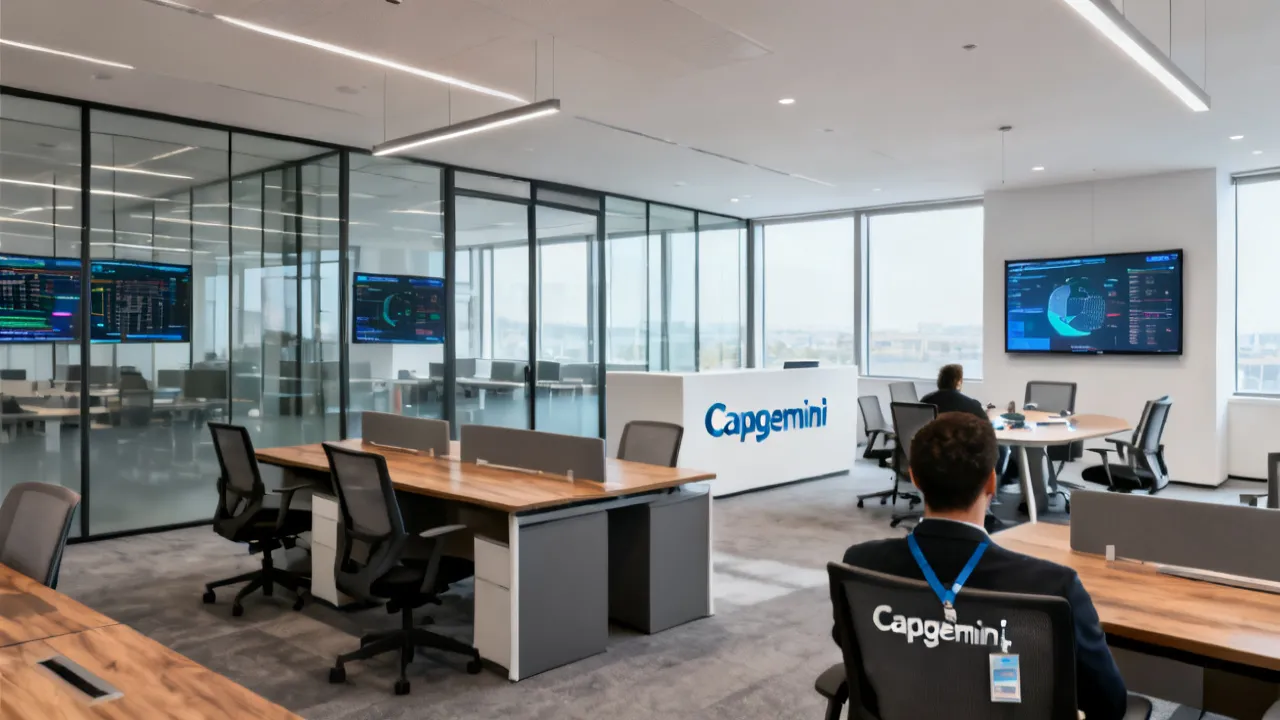
Introduction to Capgemini's Grading System
Capgemini, a renowned leader in consulting, technology services, and digital transformation, prides itself on a robust grading system designed to identify and nurture talent within its workforce. In this article, we delve into the intricate aspects of Grade Capgemini, revealing how it systematically fosters employee development and enhances organizational efficiency. The grading system serves not only as a measurement of performance but as a tool for aligning individual aspirations with the overarching goals of the company. As we explore the various elements of this system, we will also examine its impact on employee satisfaction and retention.
The Importance of a Structured Grading System
For a global entity like Capgemini, maintaining coherence in human resource practices across different regions is crucial. The Grade Capgemini system provides a standardized method to assess and reward employee contributions, ensuring alignment with the company's strategic goals. This framework helps in clarifying career pathways, encouraging employees to expand their skills, and aiding in their upward mobility within the company. With offices spread across multiple continents, this structure ensures that all employees, regardless of location, are assessed under the same criteria, fostering a culture of equity and transparency.
Decoding Grade Capgemini
The Grade Capgemini mechanism breaks down employee roles and responsibilities into distinct levels, each with its specific criteria. These levels range from entry-level positions to senior management roles, providing a clear pathway for professional growth. Moreover, each grade is associated with targeted competencies, performance expectations, and developmental opportunities, allowing employees to comprehend what is required to advance. This clarity is crucial as it empowers employees, giving them a sense of ownership over their careers.
Grade Levels Explained
- Entry-Level: Designed for university graduates or those entering the workforce, focusing on initial training and skill acquisition. Such roles often involve tasks that provide foundational experiences, allowing young talents to learn the ropes and understand the intricacies of their respective domains.
- Mid-Management: For experienced professionals with significant expertise, these grades involve taking on more responsibility and leading teams. Employees at this level are expected not only to manage day-to-day operations but also to contribute to strategic initiatives, thereby shaping the direction of their teams.
- Senior Leadership: Top-level positions that involve strategic decision-making and good planning. Leaders at this level are tasked with driving organizational change and fostering a high-performance culture within their teams. Their decisions impact not just their department but the entire company.
Benefits of Grade Capgemini
- Career Development: Provides employees clear direction for career growth and personal development, making it easier to identify the skills they need to acquire for advancement. This structured approach to career paths fosters an environment of continuous learning and professional development.
- Performance Metrics: Objective assessment through a systematic approach, promoting fairness and motivation. By utilizing a clear set of criteria to evaluate performance, employees can better understand their strengths and areas for improvement, leading to more effective personal development plans.
- Employee Engagement: Higher levels of engagement as employees feel recognized and rewarded appropriately. An effective grading system not only acknowledges high performers but also provides feedback and support to those who may be struggling, helping them to improve and excel.
How Grade Capgemini Impacts Teams and Productivity
By clearly defining roles and responsibilities, Grade Capgemini enhances team dynamics, ensuring that each team member understands their part within the organizational structure. This clarity minimizes confusion and overlapping responsibilities, allowing team members to focus on their specific roles and deliverables more effectively. Teams operate more efficiently, with a focus on achieving departmental goals that align with corporate strategies. This systematization leads to improved productivity and a more harmonious work environment.
Moreover, with designated roles comes the accountability that encourages team members to take ownership of their contributions. Acknowledging individual efforts fosters a sense of pride in the quality of work produced, leading to an increase in overall team morale. In an environment where team members are well aware of their expectations, collaborative efforts tend to yield better outcomes, reinforcing the significance of the grading system in cultivating high-performance teams.
Growth and Development Opportunities in Grade Capgemini
One of the most salient features of the Grade Capgemini framework is the emphasis on development opportunities accompanying each grade level. Capgemini places considerable importance on ongoing training and professional development, and employees at every level are encouraged to utilize available programs to enhance their skills. These opportunities range from technical training workshops, leadership development courses, mentorship programs, and certifications relevant to employees’ current grades or those they aim to achieve in the future.
For example, entry-level employees can participate in foundational training programs that cover essential skills, from technical competencies to interpersonal communication. As employees transition into mid-management roles, they can access leadership training designed to hone their management skills and prepare them for more significant responsibilities. Senior leaders have access to exclusive executive education programs, where they can engage in strategic thinking exercises and connect with industry thought leaders, ensuring they remain at the forefront of industry trends.
This commitment to growth manifests in various performance appraisal cycles where employees are regularly evaluated, and feedback is provided not merely as a critique but as a development tool aimed at fostering growth. The result is a more skilled workforce ready to address the dynamic challenges that arise in the technology and consulting sectors.
Integration of Performance Assessments within the Grading System
The performance appraisal process is an integral component of the Grade Capgemini system. Assessments are typically conducted bi-annually and are designed to be comprehensive evaluations of an employee's performance against the established criteria for their grade. These assessments take a 360-degree view, incorporating feedback from various stakeholders, including peers, supervisors, and subordinates.
With this multi-faceted approach, Capgemini aims to provide a well-rounded perspective of an employee's contributions, highlight strengths, and identify areas for improvement. This iterative feedback mechanism allows employees to continuously refine their performance and stay aligned with their career development objectives. Such assessments also inform decisions regarding promotions and raises, fostering a dynamic environment that rewards excellence and commitment.
Furthermore, Capgemini harnesses technology to streamline this process through digital platforms that aid in goal setting, progress tracking, and feedback collection. The integration of technology not only enhances efficiency but also ensures that all employees have access to their performance data and career progression plans in real time. This transparency reinforces a culture of accountability and empowers employees to take charge of their career paths.
Employee Engagement and Satisfaction in the Grade System
Engagement and satisfaction are two critical aspects of employee experience at Capgemini, both directly influenced by the Grade Capgemini system. Employees who understand their career paths and receive consistent feedback are more likely to feel valued and engaged within their roles. Engagement surveys conducted by Capgemini often reveal that clarity in career progression is a top priority for employees, contributing significantly to their overall job satisfaction.
Moreover, the grading system emphasizes professional development and training, ensuring employees have continuous learning opportunities. When employees feel that their employer invests in their growth, it builds loyalty and decreases turnover rates. Engaged employees tend to be more productive, exhibit greater enthusiasm for their work, and are more likely to contribute positively to team dynamics and organizational culture.
The Role of a Supportive Work Environment
A supportive work environment is fundamental to the success of the grading system. Capgemini fosters an inclusive and open culture where employees are encouraged to express their aspirations and challenges. Regular team meetings, one-on-one check-ins, and transparent communication channels enable a holistic approach to employee engagement.
Furthermore, Capgemini’s commitment to diversity and inclusion translates into a grading system that supports equal opportunities for advancement across all demographics. This commitment is crucial in attracting a diverse talent pool and retaining top-tier professionals who embrace the company’s values and mission.
Feedback and Continuous Improvement
The cycle of performance assessments and feedback facilitates a culture of continuous improvement. Employees are encouraged to solicit feedback not only during formal review periods but throughout the year. This practice helps maintain an open dialogue between team members and leaders, fostering an environment conducive to honest discussions about performance and expectations.
Additionally, Capgemini collects feedback regarding its grading system and associated programs, using it to drive improvements. Employees are often invited to participate in surveys and focus groups to share their insights. Management uses this data to refine practices, improve training initiatives, and enhance overall employee experience, illustrating a commitment to agility and responsiveness to employee needs.
FAQs
- How are grades determined in Capgemini? Grades are determined based on defined competencies and performance metrics specified for each role within the company. This structured assessment ensures that evaluations are fair, consistent, and aligned with the company's strategic goals.
- What support does Capgemini provide for career growth? Capgemini offers mentorship, training programs, and performance appraisals to support career development. Additionally, employees have access to various learning resources, online courses, and in-person training sessions to enhance their skill sets continuously.
- Can employees move between grades easily? Movement between grades requires meeting specific performance criteria and demonstrating the required competencies. The structured nature of the grading system facilitates clear expectations for progression, ensuring that all employees understand what is necessary to attain the next level in their careers.
- Is there a mentorship program associated with the grading system? Yes, Capgemini has instituted mentorship programs aimed at pairing less experienced employees with seasoned professionals. This mentorship not only aids in professional development but also helps foster relationships that can lead to future collaborations and opportunities.
- How often does Capgemini review its grading criteria? Capgemini regularly reviews its grading criteria to ensure they are relevant to the evolving business landscape and employee needs. Feedback from employees is an essential part of this review process, ensuring the criteria reflect the skills and competencies necessary for success within the organization.
Conclusion
Capgemini’s grading system is a testament to its commitment to employee growth and organizational excellence. By providing a clear framework for progression and performance measurement, Grade Capgemini not only aids individual career advancement but also strengthens its position as an industry leader. As employees navigate their paths within the organization, the grading system serves as a vital tool for their development journey. It embodies an ecosystem where talent is recognized, nurtured, and rewarded, creating a thriving workplace. For aspiring professionals, understanding this system can be instrumental in navigating their career paths within this esteemed organization. The innovative approach to employee development through structured grading positions Capgemini as an employer of choice in the competitive landscape, setting a benchmark for others to emulate.